
Today in History: South African award winning photojournalist commits suicide
He turned on his headset and rested his head against his backpack where he remained until he died of carbon monoxide poisoning.
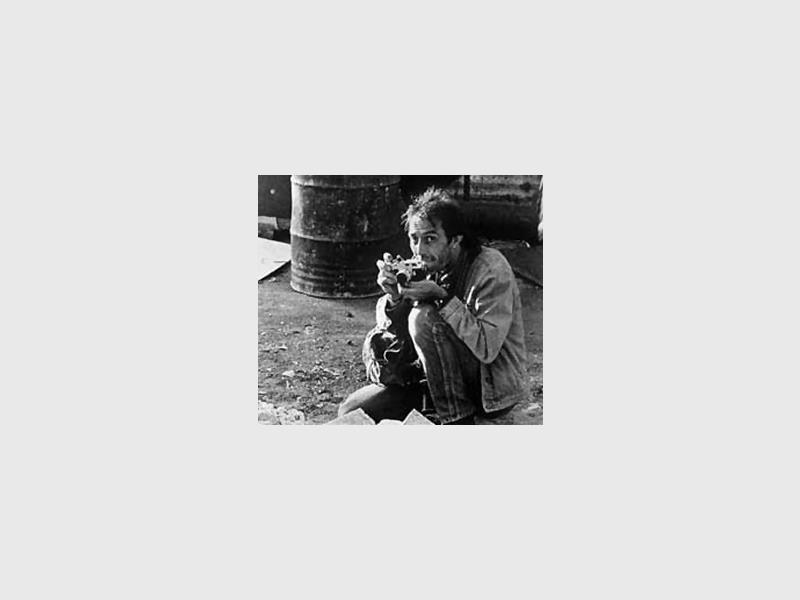

South African photojournalist and Pulitzer Prize winner, Kevin Carter, committed suicide just three months after winning the Pulitzer Award for feature photography with a controversial picture depicting the famine in Sudan.
Carter came under a lot of criticism for his disturbing photograph of a Sudanese child being stalked by a vulture in 1993.
Carter and his friends longed to expose the atrocities of apartheid to the world, capturing the violence in South Africa so vividly that they were dubbed ‘The Bang-Bang Club’.
On 18 April, 1994, just 6 days after Carter won the Pulitzer, the Bang-Bang Club made their way to Tokowa to photograph an outbreak of violence in the area.
On the same day, he heard over the radio that his companion, Ken Oosterbroek, had been killed in the conflict and Greg Marinovich was seriously injured.
Carter and Oosterbroek had joined Abdul Shariff, the Associated Press photographer who was killed in the cross-fire on 9 January, 1994 while covering an African National Congress delegation in the township of Katlehong near Johannesburg.
The award-winning photojournalist died after he backed his red Nissan truck against a blue gum tree, attached a garden hose to the exhaust pipe, and rolled up the window of his car.
He turned on his headset and rested his head against his backpack, where he remained until he died of carbon monoxide poisoning.
Carter left a suicide note that read: “I’m really, really sorry. The pain of life overrides the joy to the point that joy does not exist…depressed … without phone … money for rent … money for child support … money for debts … money! … I am haunted by the vivid memories of killings & corpses & anger & pain … of starving or wounded children, of trigger-happy madmen, often police, of killer executioners… I have gone to join Ken if I am that lucky.”
Information sourced from: South African History Online.


