
The definitive guide to securing your home and family
A high fence is better than a high wall.
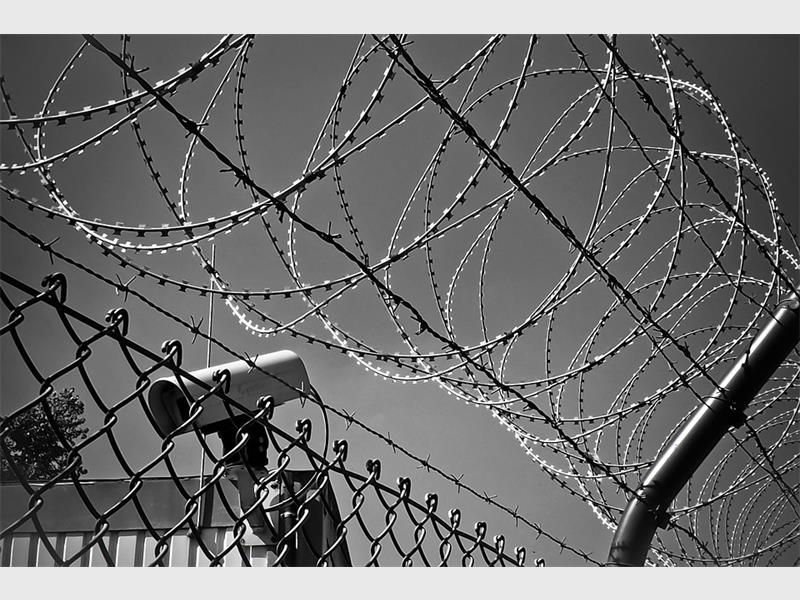

A high fence around the house with lockable gates, is much safer than a high wall due to the improved visibility it provides, said Roodepoort Police in a detailed guide to home security.
The primary aim of the fence is to make access/ intrusion difficult and to allow dogs to move freely around the house.
Other tips in the guide include the following:
• Ensure that your gates are locked at all times. The keys should not lie around or be easily accessible.
• Security gates with sturdy locks in front of each outer door as well as burglar proofing covering all windows, are recommended.
The following prevent easy access:
• Window bars
• Security doors
• Security gates
• Razor wire
• Additional locking devices on doors
• Strengthened doors
• Peepholes in the doors
• Safety chains to doors
• Intercom system between the home and gate, front door or garage
Alarm systems
• An alarm system, preferably connected to an armed response company, can act as an effective deterrent.
• In the rural environment a siren/ alarm on the roof that can be heard over a long distance that can be activated by means of a switch/ panic button in the house is recommended.
• A few switches/ panic buttons in different rooms of the house should preferably be installed.
• An alarm must also have the capability to warn the occupants of any intrusion into the house.
Examples of alarm systems:
• Mechanical and/ or electric (purchased types)
• Improvised systems
• Threaded tins
• Threaded pieces of iron
• Gravel on window pains, pathways or around the home
• Obstacles that can make a noise when moved
Biological systems:
• Dogs
• Geese
• Ostriches
Security lights
• Security lights on the outside of the house improve the physical protection of a house, farm or smallholding.
• The lights must be directed away from the house and allow the occupants to use the windows without being observed from the outside.
• Be aware of possible shadows and blind spots.
Safety precautions
• Ensure that all doors are locked at all times, and that windows are closed when you are not at home.
• Large dogs serve as a deterrent. At least one dog should be trained to sleep inside the house.
• If you leave your residence, inform your family/ neighbours of your intended destination, time you expect to return
and the route you will be driving, especially if you reside in a rural area.
• Ensure that tools such as axes, spades, picks, ladders, etc that can be used in an attack, are locked away when you do not use them.
• Vary your daily routine.
• Get into the habit of not immediately falling asleep after switching off the lights. Remain awake for a while.
• You should not be visible in the bedroom from the outside when you are asleep.
• Always keep a flashlight nearby at night and when you use it, ensure that you do not give away your position.
• If you are unsure about the security status of your home after returning from work/ a visit, e.g. your dogs do not come to the gate, do not enter your home. Contact your neighbour to assist you in securing your home.
• Identify relatively safe places of refuge, i.e. the bathroom, toilet or storeroom.
• The fewer windows and doors these rooms have, the better.
• Involve employees as they are part of the family /team. Employees must be involved in maintaining security on an equal footing.
• Report suspicious behaviour and information to the police.
• Clear the areas around the gates of bushes and other hiding places.
• Take photographs of all employees. It could be to your advantage to identify them, if required.
• Remunerate your employees when useful information is provided that contribute to the prevention of crime.
• Do not employ casual workers without a reference.
• Keep copies of all your employees’ Identity Documents.
• Ensure that you have a good relationship with your neighbours so that you will be in a good position to support and help
each other.
Access and key control
• Do not allow strangers on your premises or in your house without having properly identified the person, especially at night.
• Implement proper key control measures.
• Identify keys by means of codes instead of indicating in writing on labels to which gate/ door access can be gained.
• Keys to the safe must be kept on the person.
• Never hide any keys in traditional places, such as in pot plants or under doormats.
• Keys in the keyhole on the inside of the front or back door should be turned to prevent easy removal.
• Never allow strangers to handle keys or look at key numbers.
• Change locks when keys are lost.
• Insert barring devices in door locks.
• Remove keys from doors when leaving.
Communication
• There should be two systems for alternative backup:
* Telephone
* Cellphone
• Have the telephone installed where it is easily accessible from anywhere in the house.
• Inform your children not to give an indication that adult supervision is not available when they answer the phone.
Do the following to ensure safety and security in remote areas:
• Know your neighbours and maintain good relations with them.
• Know which security services and community-based crime-prevention initiatives are available in your area, and know how to reach them in case of an emergency.
• Have the contact details of the security companies, community-based watches, emergency services and the police station readily available.
• Have alternative means of communication in case the telephone lines and cellphones are not working.
• Become part of the crime-prevention programmes initiated by the police and the community.
• Have sound relationships with all role players involved, and know who to contact in case of an emergency.
• Consider establishing a neighbourhood watch in your area, or become involved in the existing neighbourhood watch.
• Participate in simulation exercises with the police to test the effectiveness of the response to incidents.
• Maintain sound safety measures and habits at home, and inform your neighbours, the police and the community-based
watches of any suspicious behaviour and activities in your area.
• Ensure that all doors (including security and garage doors), are locked at all times, and that windows are closed when you are inside or not at home.
• Keep a register with the details of all persons on the premises, including workers, and do not allow unnecessary access to the premises.
• Regularly clear the area around your house of bushes. Clean the premises and all possible hiding places. Lock away all tools and implements.
• Be vigilant and ensure that all persons on the premises, including workers and visitors, are also vigilant and know what to do in case of suspicious behaviour and/ or in an emergency.
• Do not react blindly to any suspicious activities, especially at night.
• Do not keep a large sum of cash and/ or valuables on the premises.
• Ensure additional safety measures if you are selling any products from the premises.
Do you perhaps have more information pertaining to this story? Email us at roodepoortrecord@caxton.co.za (remember to include your contact details) or phone us on 011 955 1130.
For free daily local news on the West Rand, also visit our sister newspaper websites
Remember to visit our Facebook, Twitter and Instagram pages to let your voice be heard!


