
Today in History: Cuban Missile Crisis announced to the public
During the next six days, the crisis escalated to breaking point as the world tottered on the brink of nuclear war between the two superpowers.
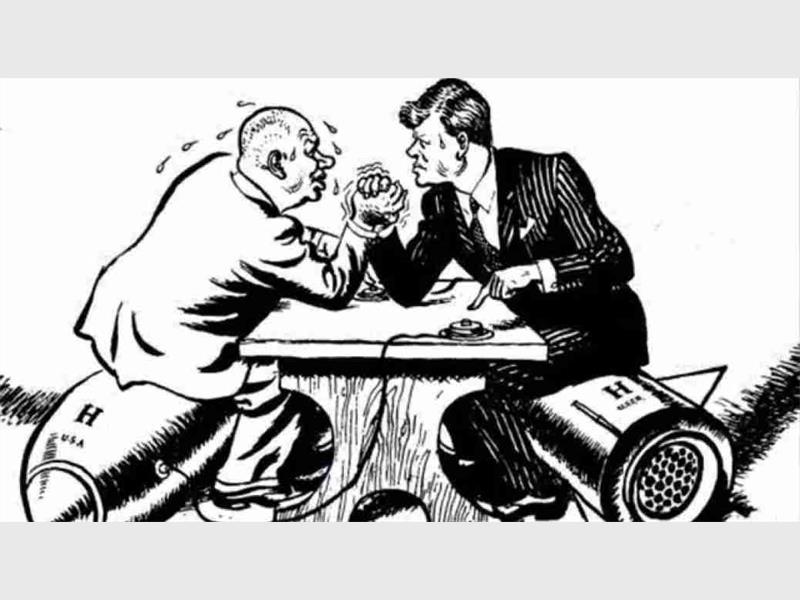

On this day in 1962, in a televised speech of extraordinary gravity, President John F Kennedy announced that USA spy planes had discovered Soviet missile bases in Cuba.
These missile sites — under construction but nearing completion — housed medium-range missiles capable of striking a number of major cities in the United States, including Washington DC. Kennedy announced that he was ordering a naval “quarantine” of Cuba to prevent Soviet ships from transporting any more offensive weapons to the island and explained that the United States would not tolerate the existence of the missile sites currently in place. The President made it clear that America would not stop short of military action to end what he called a “clandestine, reckless, and provocative threat to world peace.”
What has become known as the Cuban Missile Crisis actually began on 15 October 1962 — the day that US intelligence personnel analysing U-2 spy plane data discovered that the Soviets were building medium-range missile sites in Cuba. The next day, President Kennedy secretly convened an emergency meeting of his senior military, political, and diplomatic advisers to discuss the ominous development.
The group became known as ExCom, short for Executive Committee. After rejecting a surgical air strike against the missile sites, ExCom decided on a naval quarantine and a demand that the bases be dismantled and missiles removed.
On the night of 22 October, Kennedy went on national television to announce his decision.
Do you perhaps have more information pertaining to this story? Email us at northsider@caxton.co.za (remember to include your contact details) or phone us on 011 955 1130.
For free daily local news on the West Rand, also visit our sister newspaper websites


