
Today in History: Tsunami devastates Japanese islands
The tsunami was caused by a landslide, which was caused by a small earthquake.
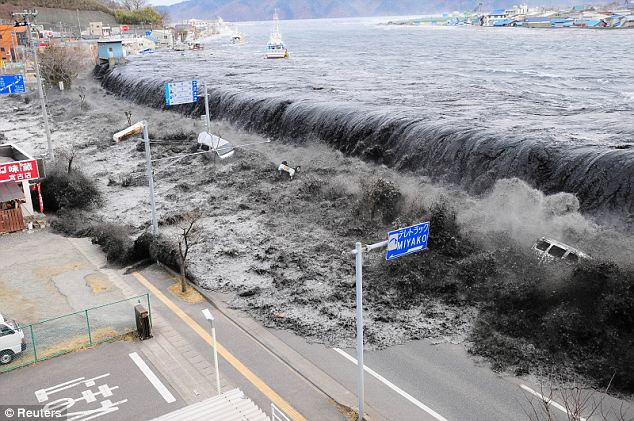

One of the first tsunamis ever to be recorded devastated the east coast of Kyushu, the southernmost major island of Japan, all the way back in 1596.
The tsunami was set off by a relatively small earthquake in Beppu Bay on Kyushu’s east coast. Despite its weakness, the quake, which was felt as far away as Kyoto and Kagoshima, caused a landslide on the bay’s coast.
The landslide pushed so much water across the bay that it sent a 15m-high wave towards Uryu-Jima Island. The very small island, located 1,6km offshore from Oita, Kyushu’s capital city, had a 9,6km circumference and was home to 5 000 people.
The quake itself had little effect on the island’s people, but the resulting wave totally submerged the island and killed about one in every five people. The island was uninhabitable long after the tsunami.
The tsunami also went on to destroy Saganoseki and two other small villages located on the Beppu Bay coast. About 400 hectares of the mainland virtually disappeared in the disaster.
Do you perhaps have more information pertaining to this story? Email us at northsider@caxton.co.za (remember to include your contact details) or phone us on 011 955 1130.
For free daily local news on the West Rand, also visit our sister newspaper websites


