
Today in History: Worst earthquake in modern history kills 240 000+
The disastrous quake occurred 42 years ago to the day, and killed hundreds of thousands of people.
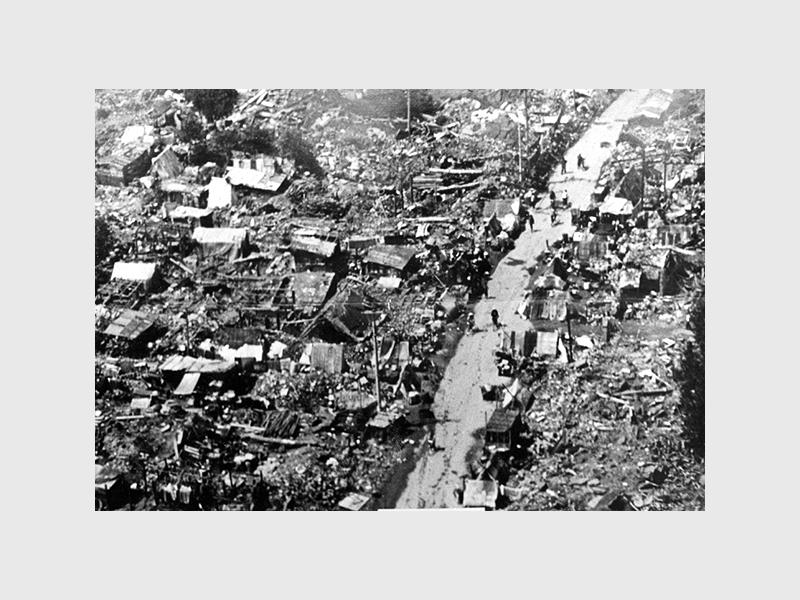

The earthquake measured between 7,8 and 8,2 on the Richter Scale and flattened the Chinese industrial city of Tangshan.
When the earthquake struck at 3.42am, most people were asleep in their beds, instead of outside in the relative safety of the streets, making the quake especially costly in terms of human life. An estimated 242 000 people in Tangshan and surrounding areas were killed, making the earthquake one of the deadliest in recorded history and the deadliest in modern history, surpassed only by the 300 000 who died in the Calcutta earthquake in 1737, and the 830 000 thought to have perished in China’s Shaanxi province in 1556.
In the days preceding the earthquake, people began to notice strange phenomena in and around Tangshan. Well-water levels rose and fell, rats were seen running in panicked packs in broad daylight, and chickens refused to eat.
During the evening of 27 July and the early morning hours of 28 July, people reported flashes of coloured light and roaring fireballs. The quake lasted for 23 seconds and levelled 90 per cent of Tangshan’s buildings.
Close to a quarter of a million people were killed and 160 000 others injured. The earthquake came during the heat of midsummer, and many stunned survivors crawled out of their ruined houses naked, covered only in dust and blood.
The earthquake started fires and ignited explosives and poisonous gases in Tangshan’s factories. Water and electricity were cut off, and rail and road access to the city was destroyed.
The Chinese government was ill-prepared for a disaster of this scale. The day following the quake, helicopters and planes began dropping food and medicine into the city. Some 100 000 soldiers of the People’s Liberation Army were ordered to Tangshan, and many had to march on foot from Jinzhou, a distance of about 290km.
About 30 000 medical personnel were called in, along with 30 000 construction workers. The Chinese government, boasting self-sufficiency, refused all offers of foreign relief aid. In the crucial first week after the crisis, many died from lack of medical care. Troops and relief workers lacked the kind of heavy rescue training necessary to efficiently pull survivors from the rubble.
Do you perhaps have more information pertaining to this story? Email us at roodepoortrecord@caxton.co.za (remember to include your contact details) or phone us on 011 955 1130.
For free daily local news on the West Rand, also visit our sister newspaper websites
Remember to visit our Facebook, Twitter and Instagram pages to let your voice be heard!


