
Be water safety savvy this summer
Small children should always be supervised.
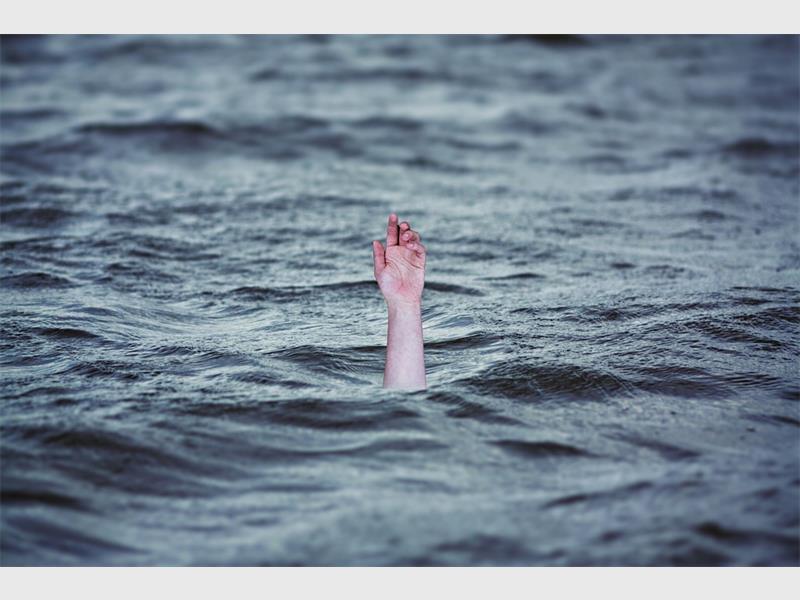

In recent months, ER24 has responded to a number of drownings.
Two people lost their lives in two separate incidents in KwaZulu-Natal dams and a year old child drowned in the swimming pool of his family’s home in Kempton Park. The number of drowning incidents will most likely increase in the summer months and during the festive holidays.
Natasha Kriel, an Advanced Life Support paramedic at ER24’s South Metro branch in the Western Cape, spoke to us about drownings and what safety tips to follow when spending time next to the pool or at the beach. Natasha is also a lifeguard with 8 years’ experience and, with the help of the NSRI, she established a lifesaving club in her hometown of Melkbosstrand.
“Holidaymakers flock to the beaches for some relaxation time during summer. It is sometimes difficult to ensure that all swimmers are water-safety conscious, especially when they swim at beaches or dams where there are no active lifeguards on duty.
“A few years ago, while I was patrolling Milnerton beach, there was a drowning in progress at the lagoon which is about 800m from where our patrol area was. We ran down and started searching for the person but we never found him. That was quite a sad case for me because they were swimming so far from where we were patrolling – we ended up being too late. The designated areas are there for a reason. They are there for safety, not just for the currents but also closer to where the lifeguards are – which in turn ensures that our response times are shorter, and we can get to the victims before they drown,” said Natasha.
Safety tips around pools:
– Secure your pool area with appropriate barriers that can’t be pushed down by little children.
– Never leave children unsupervised near water.
– Stay within arm’s length from little children as they submerge very quickly – especially if the water is murky.
– Make sure that children don’t play roughly in the pool and jump on top of one another.
– It is important that adults who supervise must be able to swim as well.
– Remember that everyone, including people who can swim, is at risk of drowning.
– Avoid taking risks and being overconfident.
“One of the most dangerous situations arises when children get into trouble and family members jump in to assist, but they can’t swim either, and we end up with mass casualties. This happens at beaches and dams quite often,” said Natasha.
“We once had a call-out to a drowning in progress of about six people in Camps Bay. The season hadn’t started yet (in the Western Cape the season starts on 1 November and closes again after the April school holidays) so there were no lifeguards on duty. By the time we arrived, bystanders had managed to pull all the patients from the water. The one patient probably inhaled too much water and she had stopped breathing. She had no pulse and bystander CPR was done on her. We continued to do CPR until we got to the hospital but unfortunately she did not survive,” said Natasha.
Safety tips around beaches:
– Swim where there are lifeguards on duty and go during lifeguard patrolling hours, usually from 10am to 6pm. Don’t swim before or after that. You can still visit the beach at that time but try to stay out of the water until the lifeguards arrive.
– Make sure that you are seen by lifeguards in the water. Don’t swim outside the designated swimming area, i.e. outside the flags. This area is chosen because there are no currents and it is outside the surf zones.
– Swimmers need to watch out for surfers and surfers need to watch out for swimmers.
– Don’t drink alcohol on the beach – it’s illegal and extremely dangerous. Alcohol dulls your senses which in turn makes it difficult to swim. You don’t realise that you may be hypothermic and that your limbs don’t work as well as they should.
– By dulling your senses, alcohol may inhibit your ability to sense when your children are in danger
– Never swim alone.
In both instances, learn to do basic CPR. Make sure the person is out of the water, awake and breathing. Shout for help.
“The public needs to be educated about the risks surrounding children and water – baths, buckets of water, any form of water can be dangerous. It is vital that you learn first aid and CPR.
You never know when you may need to assist someone in need. Educate yourself and ensure your child’s safety,” said Natasha.
Do you perhaps have more information pertaining to this story? Email us at roodepoortrecord@caxton.co.za (remember to include your contact details) or phone us on 011 955 1130.
For free daily local news on the West Rand, also visit our sister newspaper websites
Remember to visit our Facebook, Twitter and Instagram pages to let your voice be heard!


One Comment