
World Wetlands Day celebrated
Johannesburg City Parks and Zoo highlighted the importance of wetlands
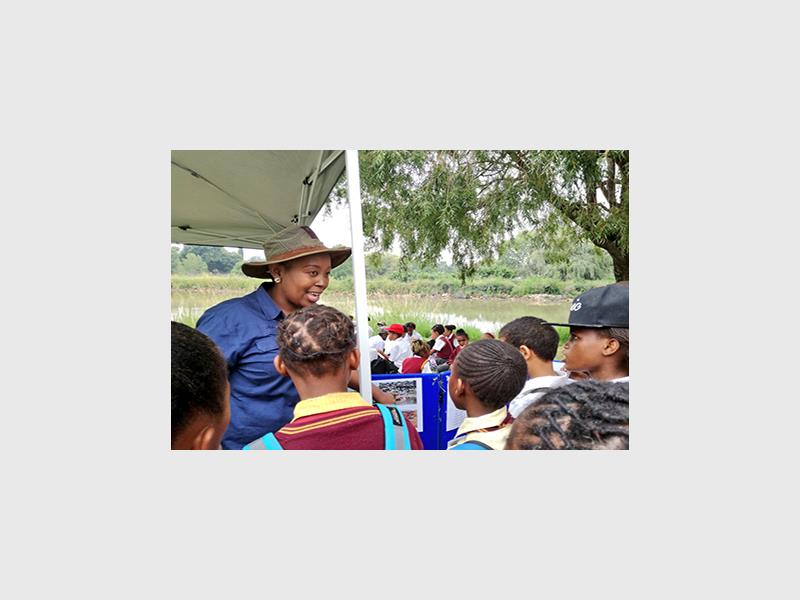

World Wetlands Day was celebrated with interactive and educational exhibitions as well as discussions on 15 February by more than 100 learners and community ambassadors at Albert’s Farm.
This celebration was arranged by Johannesburg City Parks and Zoo (JCPZ), the City of Johannesburg’s custodian of greening initiatives. The day aimed to inform everyone of the importance of wetlands. The groups, individuals and organisations involved included Albert’s Farm Conservancy, the Department of Fisheries and Forestry, Friends of Kloofendal, Miss Earth, Water Wise, Delta Environmental Centre and Gauteng’s Forest Operations.
Learners from schools such as Sedilaka Primary, Riverlea Primary, Northcliff High, Qoqizizwe Primary, Kliptown Primary and Kaalfontein Primary used the opportunity to soak up as much knowledge as possible about the biodiversity and importance of wetlands. They also enjoyed interactive and educational exhibitions and took part in discussions about the significance of wetlands and the critical importance of conserving and preserving them.
According to JCPZ’s Chief Operating Officer, Buki Njingolo, the preserving and conserving of wetlands is the key to ensuring a better tomorrow. “Wetlands are often perceived as marshes, swamps or areas for dumping. But these water bodies, which may be natural or artificial, reduce the impact of floods, absorb pollutants and improve water quality. This year, we urge communities to refrain from using our wetlands as dumping grounds,” she said.
Pollutants such as human waste, plastic and litter clog and disrupt the natural flow of water. “This reduces the wetland’s ability to collect fast-flowing storm water at a slow and measured rate to be released back into the river system in its purest form,” she said.
She also said that dumping in the wetlands affects service delivery negatively, as additional resources are used to remedy it. “Bird life is sustained through healthy wetlands, providing local tourism and recreational opportunities, including boating, fishing and bird-watching. So, damaging wetlands in effect damages our chances of a brighter future,” she said.
Senzo Nyembe, JPCPZ’s General Manager of Ecosystems Enhancement and Open Spaces Management, said that wetlands were an integral part of Johannesburg’s landscape. According to him, JCPZ manages more than 740 hectares of wetland, 300 hectares of water catchment, 40 hectares of seasonal wetlands, 280 hectares of tributaries, 80 hectares of dams, 107 kilometres of rivers and 40 hectares of reeds, which are all crucial in ensuring a clean and healthy city.
“Acid mine drainage triggers excessive damage to the environment, soil, wildlife and natural resources through the release of toxic chemicals and heavy metals, with the unsightly residue of mine waste pits or open mine dumps tarnishing our natural landscape. We have found through research how wetlands are able to purify acid mine drainage water and reduce its acidity,” said Nyembe.
The day was enjoyed by all, and the learners were of the opinion that they all acquired more knowledge about the importance of wetlands to the environment.
Do you perhaps have more information pertaining to this story? Email us at roodepoortrecord@caxton.co.za (remember to include your contact details) or phone us on 011 955 1130.
For free daily local news on the West Rand, also visit our sister newspaper websites Randfontein Herald, Krugersdorp News and Get It Joburg West Magazine
Remember to visit our Facebook, Twitter and Instagram pages to let your voice be heard!


One Comment