
Drugs, alcohol, children and the festive season
Parents and loved ones need to know where their children are and who they are hanging out with.

The holiday season is on its way, pupils are writing final exams, companies have their year-end functions and families are excited about their vacation.
The sun is out and South Africa is a beautiful country in which to enjoy outdoor activities over the December period. January holds the promise of a new year and new adventures. For many families though, January will bring only pain and sorrow. Alcohol and drug abuse already is at epidemic proportions in South Africa and the holiday season brings with it celebration, sunshine and partying, resulting in more deaths from alcohol and drugs, either directly or indirectly, than in any other period.
One of the more frightening aspects of drug and alcohol abuse is within the youth category from 14 to 24 years old. The most common drugs being used among these youngsters today are alcohol, weed and methcathinone (cat) or methamphetamine (crystal meth, meth or tik). Each one of these drugs has specific harmful consequences to a growing brain and can result in severe mental disorders such as depression, ADHD, bi-polar disorder, schizophrenia and even permanent brain damage, as well as death, injury or disability by accident, overdose or related behaviours such as aggression.
Parents and loved ones need to know where their children are and who they are hanging out with. Drugs are easily available in many shopping centres or malls, unbeknown to the mall authorities, as well as petrol stations, social media and even school playgrounds.
“As bad as you think the problem may be, I can assure parents and loved ones that in fact it is much worse,” says Brendon Richardson, managing director of The Moon Addiction Recovery Centre in Weltevreden Park.
“I believe we only will see the true effects of the increase in drug abuse over the next five to ten years. Schools, corporates, government and society in general are ignoring the problem or dealing with it half-heartedly; but the time will come when many of today’s youth will experience the devastating long-term effects of drugs such as cat and methamphetamine,” adds Richardson.
If parents are in any doubt about what their children are doing, the centre encourages them to urine-test them (test kits are readily available at most pharmacies) and if necessary seek professional help immediately.
“When it comes to drug-testing your children, there is no need to feel ashamed or guilty. Protecting them is your duty and it is a far easier option than what the alternative offers,”says Richardson.
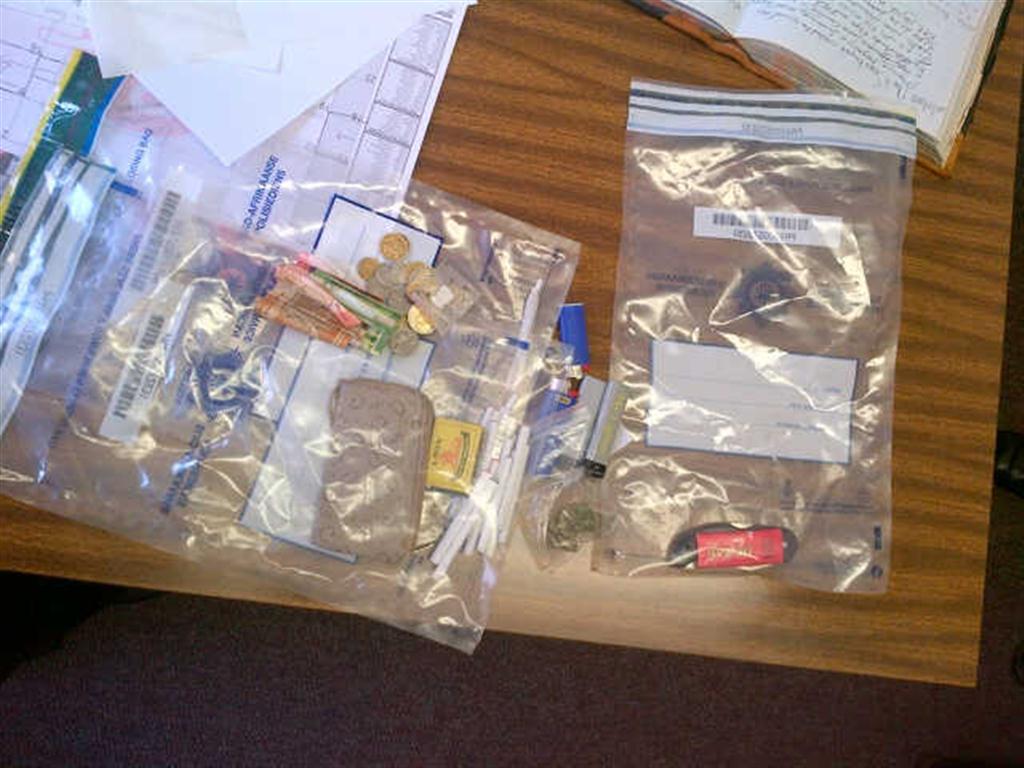
Signs of drug use include mood swings, aggressive behaviour, anxiety, shakiness, fidgeting and isolation. Paraphernalia associated with drug use can include what looks like very small bank bags, CD covers that are overly scratched, missing light bulbs, drinking straws that have been cut smaller, pens with the refill removed, plates lying under the bed, pieces of paper that have been folded up like an envelope, bank cards or telephone cards that are scratched in an unusual manner, bent or broken and rolled-up bank notes.
Drug and alcohol addiction is a manageable condition. The sooner a person enters a recovery programme, the better the chances of long-term recovery. There is help out there. The Moon Addiction Recovery Centre offers a two-hour awareness session for parents and families on the first Saturday of every month.


