

In yet another South African National Roads Agency Ltd (Sanral) advertisement that seems to have been designed to target children (who make out a large portion of motorists, of course), motorists and commuters once again are bullied into the perceived advantages of “it’s definitely better to get tagged”.
This specific printed newspaper advertisement addresses the “fears” of taxi users and use the occasion to once again in broad sweeping fashion try to convince a reluctant public.
“Will I pay more taxi and bus fare?” the male faceless cartoon character asks to which his female counterpart answers that “passengers of public transport won’t pay more”.
In smaller print it excitedly proclaims that “qualifying public transport vehicles may travel FREE on the Gauteng e-roads. So passengers get al the benefits at no extra cost”.
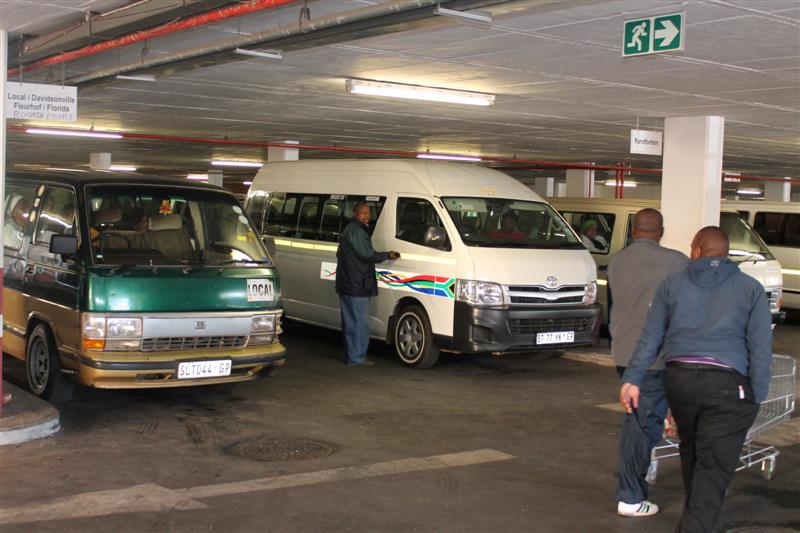
This advertisement is flawed for so many reasons. As if it is not enough that the unregulated lawless taxi industry is one of, if not the greatest contributor to carnage on the roads that now also demands exemption from the hike in the petrol levy, they also will not be paying e-tolls.
Although Sanral claims that the taxis are exempt due to the fact that they transport “the poor people of the country”, it is common knowledge that the decision was taken prior to the official announcement in 2011 after the taxi industry threatened to blockade freeways and cause chaos – a whole country and its law enforcement agencies at the mercy of an unregulated mafia-like industry.
Furthermore it is unclear who the ‘poor’ are. If four people have a car pool due to the fact that they can not afford to travel any other way, will they be exempt? Who is ‘qualifying public transport vehicles’? If this miraculously include mini bus taxis, what about metered car taxis?
If e-tolls are taking a chunk out of a motorist’s food budget, is the motorist’s hungry children that he is transporting to school ‘getting all the extra benefits at no extra cost’?
At the time of going to print e-tolling has yet to be signed into law and is therefore not obligatory. Various groups such as Cosatu, the Democratic Alliance and Outa are fighting it with both protest actions and appeals in court that will at the very best prolong the process.
When a similar electric tolling project was introduced in Portugal it was reported by Portugal’s largest circulation English newspaper, The Portugal News, that the country’s e-toll system – implemented a little over a year-and-a-half ago – has amounted to a “dead loss” for the country’s state-owned roads agency, Estradas de Portugal (EP).
The reason for the flop?
The public’s democratic refusal to participate.


