
WATCH: Roodepoort ranked 19th in Gauteng for overall volumes of crime
Reported cases of crime down in 2019
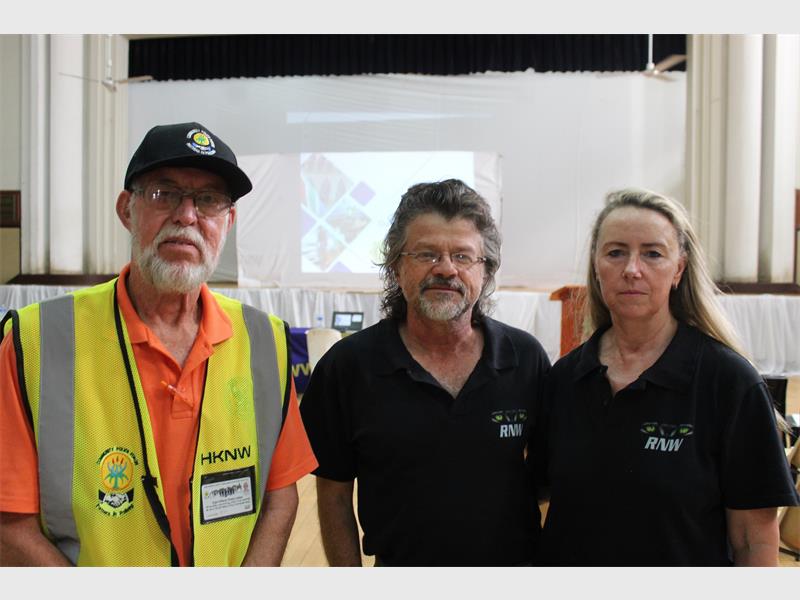
The Gauteng Provincial Police held an imbizo at Roodepoort City Hall on 27 October. The imbizo was held in conjunction with the local Community Policing Forum (CPF) to give a platform to the community to engage with provincial police and other stakeholders.
Chairman of the CPF, Petrus Lehaiwa, welcomed the community who had assembled in anticipation. Lehaiwa’s love for the community was evident when he lifted the spirits of attendees with a rousing rendition of a gospel favourite. He spoke in his address of how the community should not lose hope as there are dedicated structures working hard to fight crime. “We are here to say that we will not be deterred in our war against crime,” emphasised Lehaiwa.

A detailed analysis of what crime is happening when and where was given by Brigadier M.A Chakalane. Her presentation broke down the 17 types of community crimes that the statistics were compiled for. These 17 crimes range from common assault to murder and all the various sub-categories in between. The details presented claim that reported crimes are down just over one per cent from 6 427 reported cases in 2017/ 2018 to 5 763 in 2018/ 2019.
Rankings are also compiled of all the policing precincts throughout South Africa. Roodepoort is ranked 44th nationally and 19th in Gauteng. The rankings are based on the highest contributing stations to overall volumes of the 17 variants of community crimes that are reported.

Paradoxically, there has been an increase in the crimes that affect the community the most. Commercial crimes, common assault, burglary, sexual offences and murder have all increased. Brigadier Chakalane emphasised that this was in line with the national trend.
WATCH HERE:
Residents of Horison, Witpoortjie, Princess and the Roodepoort CBD were cautioned to be particularly alert as they have been identified as crime hot spots based on the statistics, as they have the highest volumes of crime, with robberies and assaults being the most prevalent.
Statistics presented show that, predictably, the items that are most sought after by criminals are televisions, appliances, clothes, cellphones and computers. These stats also show that 61 per cent of perpetrators use firearms to commit their crimes, with a further 18 per cent doing so with knives.

When outlining causes, Chakalane’s presentation noted that Roodepoort is hampered by a network of escape routes, numerous open fields close to possible targets and a close proximity to informal settlements. These issues aside, there seems to be no area that shows a mass concentration of criminal activity. Chakalane confirmed that crime was ”widely spread”.
Possible methods of prevention promoted were an increase in personal security and not to openly expose valuable items at any time. The public are urged not to resist or enrage criminals, as this is often the cause of serious assaults and even death. Taking the law into one’s own hands is strongly condemned and victims are advised to rather report a crime as soon as possible.

Members of the community were given a chance to pose questions to the provincial heads and offer their own solutions. Concerned resident, Caiphus Hlongwane, asked what was being done to get delinquent youths off the streets. Chairperson of the Roodekrans Neighbourhood Watch, Andreas Oberlechner, raised a question about adequate resources, stating, “There are supposed to be two patrol cars per sector, but right now there is seldom even one.”
The overwhelming theme of the police’s response was that they are doing their absolute best. Crime in South Africa is rampant and there are not enough officers to service the community with the efficiency that the community would hope. Even though resources may not be always readily available, the police remain dedicated to their roles and, with the help of the CPF, strive to reduce crime in Roodepoort.


