
WATCH: A trapeze act of morality
Questions about whether using animals as circus performers is still ethical
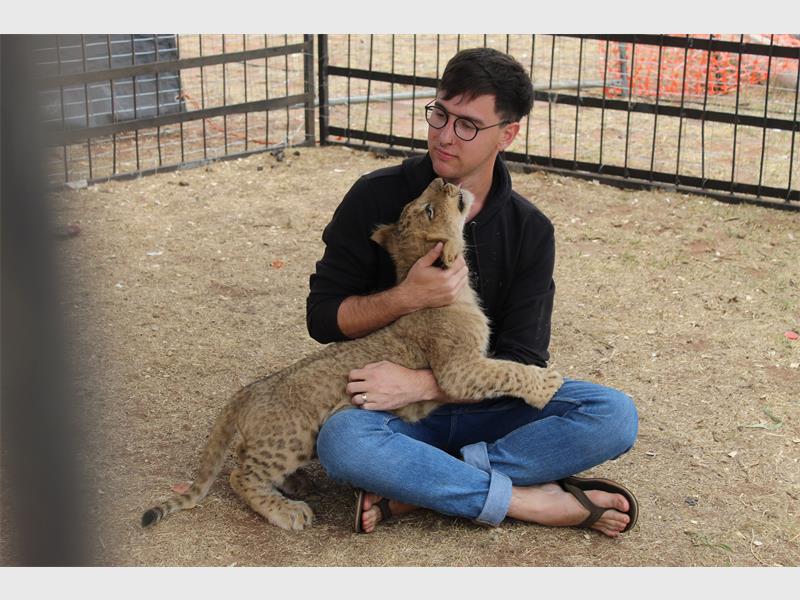
As Mclaren Circus rolls out of town it leaves behind a community grappling with an ethical conundrum.
In a modern society that is striving to cement it’s sense of moral conscience, some ask whether using wild animals as a source of entertainment should still be acceptable. Others may say that as long as the animals are cared for properly and no laws are broken, then come one, come all.

The concept of the circus is almost three centuries old and has been a fabled form of entertainment delighting crowds young and old. The circus as we know it today is rumoured to have first appeared in Paris is 1782, when an equestrian performer named Philip Astley combined his equestrian act with jugglers, acrobats and clowns. From the very beginning, the partnership of man and beast has been central to the allure of the circus. And, as the Romans proved with their ‘circus’ (which is Latin for circle), the more dangerous the animal, the greater the spectacle.
The main draw of Mclaren Circus is their four lions – three lionesses and one majestic king of the jungle. The act of the lion-tamer is generally famous, and here it is no different. One man enters the cage with these powerful animals and through training and his bond with them he is able to manipulate them on command to the morbid fascination of the onlooking patrons. What the public gets to see for those few hours is the culmination of years of hard work and dedication. But what happens to the animals when they are not on stage?
WATCH HERE:
Karl Hildebrandt, Mclaren Circus Advance and PR, explains that the lions and other animals are given the best possible care. “We have been operating for almost 15 years and have had no charges of animal cruelty laid against us. We tour nationwide, so we are with these animals constantly. They are as much part of the circus family as any of the human performers. We are not here to fight animal rights groups, we are simply here to entertain,” he said.
Mandy Cattanach, from the Roodepoort/ Krugersdorp SPCA, confirmed that they had been to the circus to ensure the welfare of the animals. ”My inspectors did pay Mclaren Circus a visit. The animals’ basic physical requirements like food, water and shelter are met.” However, she questioned whether animals have the agency to willingly join the circus, saying, “A human can choose to join the circus and be the local clown, but no animal has that privilege”. She continued, “This is archaic medieval entertainment, and has no place in the modern world”.

Taking a stand against the circus is Smaragda Louw of Ban Animal Trading. Louw and her fellow activists have made several appearances at Mclaren Circus since they arrived in Roodepoort. Louw has been appealing to those who have attended the circus to rethink their decision and contemplate the situation of the animals. Louw and Ban Animal Trading have been successful in turning around several families that were headed for the circus, showing that opinion can be swayed.
Ban Animal Trading is a NPO that aims to stop the exploitation of animals through positive activism. Louw passionately stated, ”More than 50 countries have banned the use of animals in circuses, not because the owners abused the animals, but because in this day and age they recognise that using sentient beings to entertain humans with stupid tricks is morally and ethically wrong”. Louw vows to continue her work against animal exploitation as long as animals continue to suffer.

One of the more contentious issues is the topic of a holding facility in the Free State. The facility in question has been linked to canned lion hunting but Hildebrandt insists the circus has no connection with the facility. “We are a travelling circus, so have no physical home. Part of our registration documentation requires that we have a physical address that meets the requirements of our wildlife permit. The facility in the Free State is able to house big cats, so we use them as our base physical address”.
Thousands have attended the circus over the last few weeks, not just to see the lions but also the camels, miniature horses and human performers. Mclaren Circus has a staff complement of almost 50 people, including locals employed as security and cleaners. Co-owner Duncan Mclaren expressed his gratitude to the public, saying, “Thanks to the Roodepoort community for voting with their feet. The support has been amazing, which is why we extended our run”.

Mclaren Circus abides by every law it is required to and meets all the prerequisite standards. The question is not a legal one, but one of morals and ethics. Is there something inside us that still revels in seeing man tame a savage beast, or is it simply another way to satiate our craving for entertainment? A circus is just another talking point in the long discussion about the human race and it’s torturous relationship with the animal kingdom. Humans have always put themselves first and while we are likely to continue to do so, there are still those fighting to find an equilibrium.


