
The City of Johannesburg has identified a new housing opportunity aimed at releasing abandoned factories to the private sector for conversion into low-cost, affordable housing.
This follows on the back of 84 building having been awarded to developers across the inner city, which will generate an expected R21 billion in investment, 11 000 construction sector jobs and over 6 000 affordable housing units. Tenders for a further 70 buildings will be awarded by September, and are set to yield another expected R15 billion in investment, 10 000 jobs and a further 5 000 housing opportunities. These properties all form part of the 500 buildings identified for expropriation in the inner city.
Following on this success, the multi-party government has now identified 37 abandoned factories across the city, specifically those located in areas in desperate need of housing opportunities. Given their large stand sizes, these properties will offer nearly 3 000 housing opportunities in multi-storey buildings.
The abandoned factories that have been identified are located in areas such as Kew, Devland, Rabie Ridge, Doornfontein, Booysens, and Nancefield. Of particular interest are 16 factories identified in close proximity to Alexandra, offering a much-needed opportunity to reduce the density of settlement in the underdeveloped township.
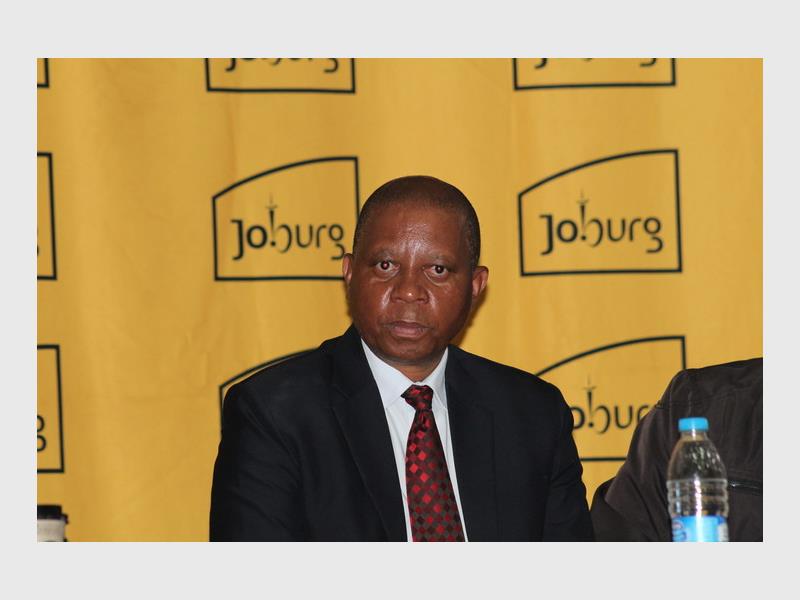
The Executive Mayor of Johannesburg, Herman Mashaba, said the City will now begin the process of preparing a proposal to Council, to be delivered in August, which will allow the City to begin the legal process of expropriating these properties as abandoned buildings. These factories will be expropriated within the existing legal framework of the Constitution, as the multi-government party will utilise the fact that they are abandoned, their owners are untraceable and the monies owing on these properties exceed their value.
Council is anticipated to be very supportive of this proposal, given how all political parties believe deeply in addressing the housing shortage in the city.
Once the proposal has been approved, the City will be able to put these properties out to private sector tenders, which will be awarded based on which tender/s achieve/s the largest number of residential units, the lowest rentals, the highest job creation and the greatest investment.
The City of Johannesburg has previously sought to tackle the housing backlog by relying on RDP housing, but this will never reduce the challenge. This is why the multi-party government has adopted an approach which is producing sizeable results in site and service projects, informal settlement upgrades, social housing and partnering with the private sector.
In an environment in which government alone cannot address the staggering housing backlog, it is imperative that an environment be created for the private sector to unleash the potential of their balance sheets, expertise and efficiency to the benefit of the poorest residents in the city.
The City has considerable plans for the 2019/ 20 financial year, including the roll-out of over 2 000 RDP houses, 4 000 serviced stands and 10 informal settlement upgrades. The extension of the property release programme into areas with massive housing shortages will aid the effort of the multi-party government to solve the housing backlog problem in Johannesburg.
“Our residents cannot wait for dreams of new cities to materialise in the distant future, if at all. Our multi-party government will focus on fixing our existing City, turning decaying areas into high-rise buildings that complement it, achieve investment, create jobs and provide accommodation to those who need it,” said Mashaba.


