
Celebrating World Blood Donor Day
It encourages more people to become blood donors and donate regularly, as a unit of blood can save up to three lives.
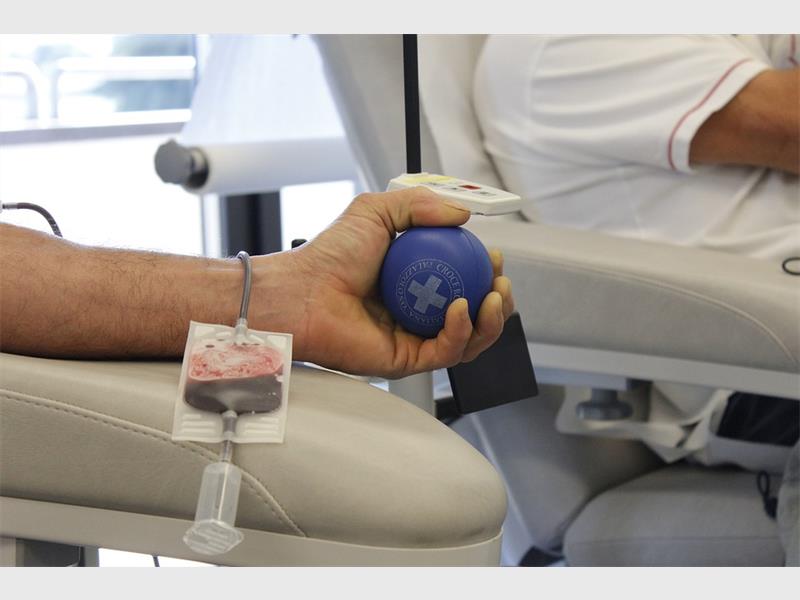
Friday, 14 June, has been dubbed World Blood Donor Day, with the slogan “Safe blood for all”.
This day is also intended to raise awareness of the need for regular blood donations to ensure that all individuals and communities have access to affordable and timely supplies of safe, quality-assured blood. It is commemorated to thank and honour blood donors who make transfusions possible.
The World Health Organisation (WHO) said the theme for this year’s campaign is blood donation and universal access to safe blood transfusions, as a component of achieving universal health coverage. It encourages more people to become blood donors and donate regularly, as a unit of blood can save up to three lives.
The “Safe blood for all” slogan is aimed at raising awareness of the need for safe blood across the universe.
According to WHO, the day and the theme is also a call to action to all governments, national health authorities and national blood services to provide adequate resources and put in place systems and infrastructures to increase the collection of blood from voluntary, regular unpaid blood donors; to provide quality donor care; to promote and implement appropriate clinical use of blood, and to set up systems for the oversight and surveillance of the whole chain of blood transfusion.
The objectives of this year’s campaign are:
*to celebrate and thank individuals who donate blood, and encourage those who have not yet donated blood to do so;
*to highlight the need for committed, year-round blood donation, to maintain adequate supplies and achieve universal, timely access to safe blood transfusions;
*to focus attention on donor health and the quality of donor care as critical factors in building donor commitment and a willingness to donate regularly;
*to demonstrate the need for universal access to safe blood transfusion and provide advocacy on its role in the provision of effective health care and in achieving the goal of universal health coverage; and
*to mobilise support at national, regional and global levels among governments and development partners to invest in, strengthen and sustain national blood programmes.


