
Check your vehicle before that long weekend trip
Focusing on shock absorbers, the company’s head of sales and marketing, Graeme Futter, listed some signs to determine whether they need to be replaced.
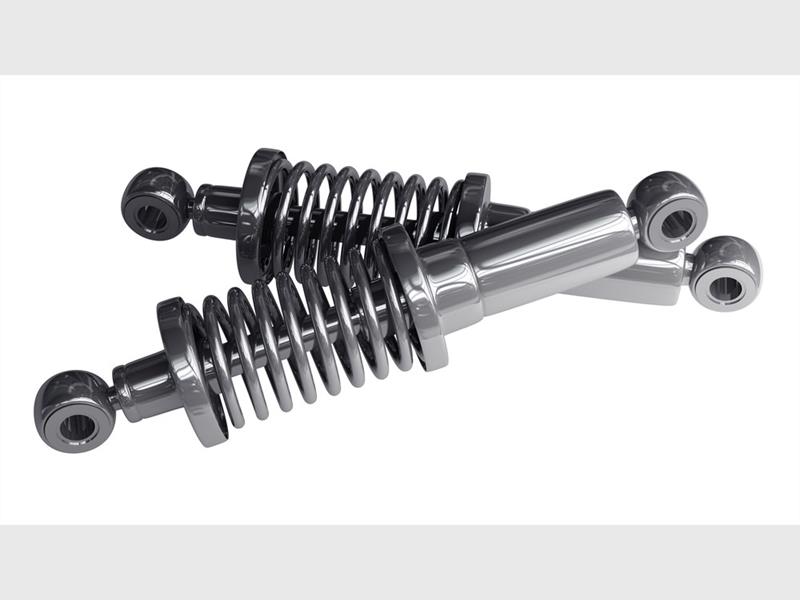

With the Easter holidays upon us, checking your vehicle before going on a long trip can be extremely vital, according to Gabriel South Africa. The company cited the importance of checking the tyres and other components that motorists usually do not check, such as shock absorbers.
The company’s head of sales and marketing, Graeme Futter, focussed on shock absorbers, listing eight basic signs to determine whether the shocks need to be replaced:
*If your steering wheel vibrates, this is a possible sign that you could have worn shock absorbers.
*Worn shock absorbers can make your vehicle’s tyres bounce. This, in turn, can create bald patches on the tyres which are dangerous and will affect the performance of the tyre. Check your tyres for uneven wear and bald patches.
*Braking with worn shocks can result in your vehicle nose-diving and will increase your braking distance considerably
*In strong winds, it will be more difficult to control your vehicle. Your vehicle will veer in side winds, and is especially at risk on bridges, cliffs and narrow roads.
*Your vehicle will not hug the road on bends. This can make the car difficult to control, especially at higher speeds.
* Leaking oil is another indicator. If the shock is leaking oil you need to replace it immediately.
*When driving on rough road surfaces, worn shock absorbers will allow the car’s wheels to bounce, providing the tyre with a smaller contact area with the road surface and lowering the driver’s ability to control the vehicle. Worn shocks can also place severe stress on the wheel bearings and other suspension components.
*Dented or damaged shocks can be caused by outside forces such as stones. This can lead to the restriction of the oil-flow between the inner and outer tubes, resulting in poor performance of the shocks.
Overall, thus, worn shocks can increase the risk of an accident.
Graeme explained further. “Shocks do wear out, but this is normally a gradual process and they rarely fail completely. There are between 30 and 40 precision engineered parts inside a shock which includes valves, valve seats and springs, pistons, a piston rod and a number of high-precision rubbers and seals,” he explained.
He elaborated on gas shocks, too, saying, “Gas shocks are 95 per cent filled with oil. Oil is what controls the movement of the piston. The gas is used to give a faster reaction time, thus forcing the wheel back down when there is movement,” he said.
Graeme then explained the cost that comes with replacing the shocks. “Shocks are not as expensive as you think. A new set of shocks for most vehicles is generally cheaper than a set of tyres. Another consequence of not changing your shocks is other damage to your vehicle’s suspension, resulting in additional costs,” he concluded.


