
Today in History: The FBI’s ‘Most Wanted’ list debuts
The list has helped track down and arrest hundreds of criminals over the years.
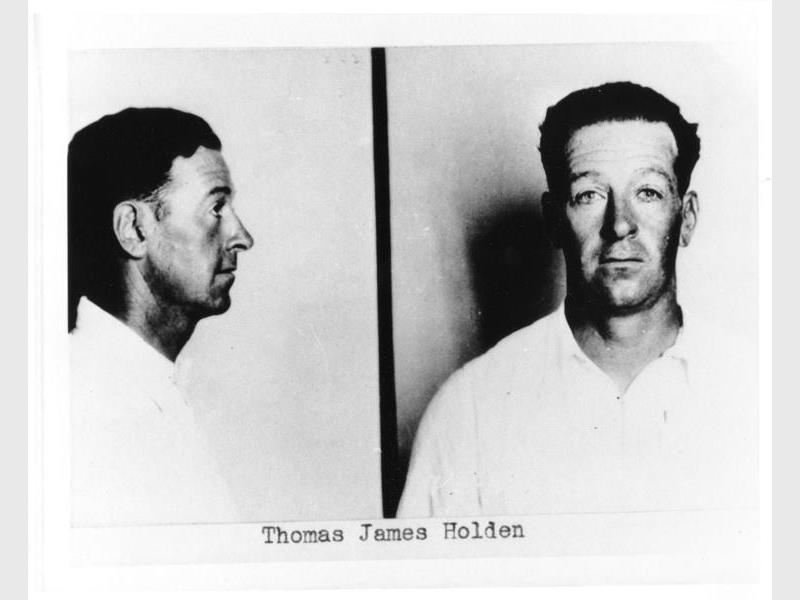
On this day in 1950, the Federal Bureau of Investigation instituted the ‘Ten Most Wanted Fugitives’ list in an effort to publicise particularly dangerous fugitives.
The creation of the programme arose out of a wire service news story in 1949 about the ‘toughest guys’ the FBI wanted to capture. The story drew so much public attention that the ‘Ten Most Wanted’ list was given the okay by J Edgar Hoover, director of the FBI at the time, the following year. As of 2011, 465 of the criminals included on the list have been apprehended or located, 153 as a result of tips from the public.
The Criminal Investigative Division (CID) of the FBI asked all 56 field offices to submit candidates for inclusion on the list. The CID, in association with the Office of Public and Congressional Affairs, then proposed finalists for approval by the FBI’s Deputy Director.
The criteria for selection are simple, the criminal must have a lengthy record and current pending charges that make him or her particularly dangerous. And the FBI must believe that the publicity attendant upon placement on the list will assist in the apprehension of the fugitive.
Generally, the only way to get off the list is to die or to be captured. There have only been a handful of cases where a fugitive has been removed from the list because they no longer were a particularly dangerous menace to society. Only nine women have appeared on the ‘Ten Most Wanted’ list, with Ruth Eisemann-Schier being the first in 1968.
The original ‘Ten Most Wanted’ list which debuted in 1950 consisted of:
1. Thomas James Holden
2. Morley Vernon King
3. William Nesbit (Jewel Thief)
4. Henry Randolph Mitchell
5. Omar August Pinson
6. Lee Emory Downs
7. Orba Elmer Jackson
8. Glen Roy Wright
9. Henry Harland Shelton
10. Morris Guralnick


