
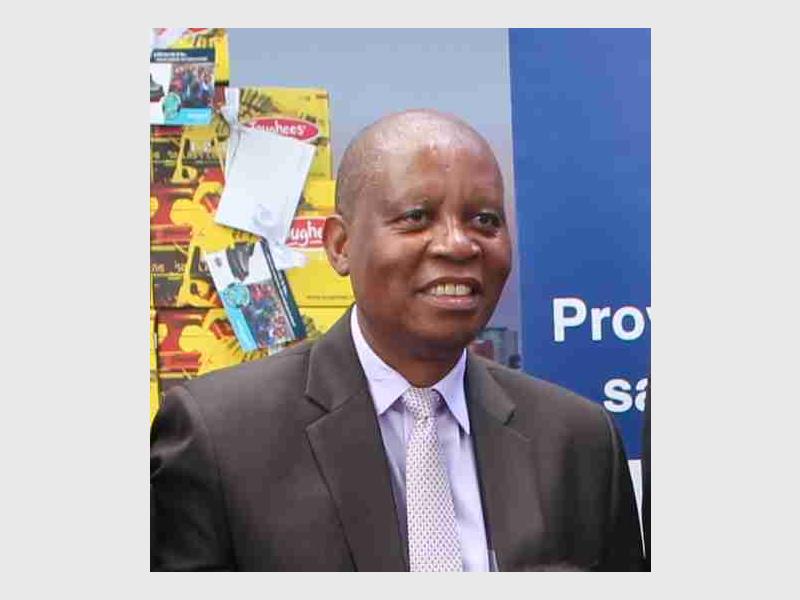
The City of Johannesburg’s (CoJ) Health Department is looking for ways to cope with an increasing number of undocumented patients visiting its public health care facilities on a daily basis.
According to CoJ Executive Mayor, councillor Herman Mashaba, the City’s Health Department began compiling a report last year in December on the number of documented and undocumented persons accessing primary health care services at the City’s clinics across all seven regions.
Secondary data extracted from the electronic health care records of 66 of the 81 CoJ clinics showed that 15 to 39 per cent of the patients accessing health care services across the various regions are undocumented. These include South Africans and foreign nationals.
Also Read:
https://roodepoortrecord.co.za/2018/07/17/prints-mayor-fights-for-the-unemployed-web-how-do-illegal-immigrants-get-jobs-and-not-south-africans/
The data shows that the number of undocumented patients increased from 32 092 to 82 923 between 2016 and 2018, while the number of asylum seekers and those holding foreign passports remained the same.
He also mentioned that while South Africans might not disclose their identity due to various health reasons in order to protect their perceived position in society or family structures, illegal immigrants will also opt to conceal their identity to avoid potential deportation. “Indeed, the fear of deportation also causes some undocumented immigrants not to seek health care until the last minute, often placing themselves in danger. I am troubled by the number of pregnant undocumented women who arrive at the City’s clinics at the eleventh hour. Our clinics are not meant to deal with emergency deliveries, and these are some of the difficulties we face on a daily basis,” Mashaba said.
The Constitution guarantees health care to all, however there are limited resources and the systems are under severe strain. “We need the national government and Home Affairs to assist so as to properly budget for services that need to be provided in terms of this Constitutional responsibility,” he suggested.
The City receives budgetary resources from provincial and national government based on census-related data, which does not take undocumented patients into account. Mashaba stated that the Department of Home Affairs has a constitutional obligation in terms of the Immigration Act 13 of 2002 and the Refugee Act 130 of 1998 to address the issue of undocumented migrants, but to date the Department has failed in exercising its constitutional mandate.
“I have even sought legal advice to explore options to compel the Department of Home Affairs to address the issue,” he said.
The concerns raised by the City are seemingly also echoed by the Minister of Health, Dr Aaron Motsoaledi, when he reportedly stated that the national health system was not coping with the increase in the number of undocumented immigrants accessing health care services in public hospitals. He added that South Africa had to take a “re-look at its immigration policies to control the number of undocumented and illegal immigrants in the country”.
He added that through the eHealth system, the City is attempting to clamp down on this practice that allegedly results in some medication reaching markets outside the country while others use medication to enhance the illicit drug trade.
“We need to talk openly about undocumented persons and how we as a government respond to the growing needs of service delivery. The National Departments of Health and Home Affairs should act with speed before further inaction results in the collapse of the public health system,” Mashaba concluded.


