

Challenges associated with the informal trading sector in the City are set to be given a hearing by the City of Johannesburg as the Informal Trade Unit plans to draft a new Informal Trader Policy soon.
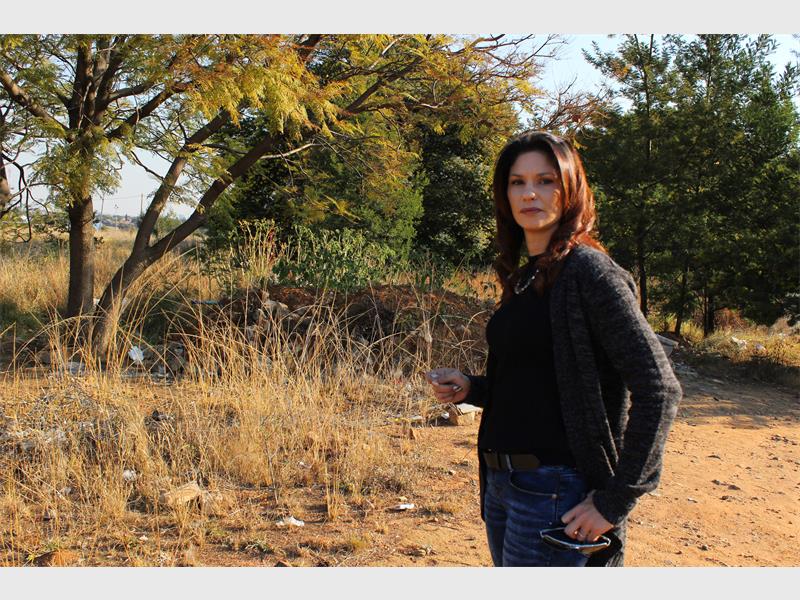
The MMC for Economic Development, councillor Leah Knott, indicated that the Joburg Draft Informal Trader Policy will soon be opened to the public.
“The City of Johannesburg’s Informal Trade Unit will soon take the Draft Informal Trader Policy to the public through its regional consultative workshops with leaders and trader associations. These workshops kick off in March and will continue until June this year,” she explained.
She added that her department started the process of formulating the new Informal Trader Policy by consulting with all trader and hawker associations, in order to understand their requirements and historical problems.
“The City is continuing its interactions with informal traders on what their needs and challenges are in order to better effective trading. This process also involved a comprehensive head count of traders per region,” Leah explained.
“If all goes well,” Leah said, “by January of next year we will have procured our new permit system and will also be able to commence budgeting for new ablution facilities to service traders”.
She went on to say, “The new policy, together with improved resources, will empower the city to support and regulate trading in a more consistent manner. The Informal Trade Unit, mandated to formulate this policy, will also plan and development trading areas, provide sustainable informal trader support and development, improve the regulation model, and continuously monitor and evaluate the system”.
To assist the traders, Leah indicated that in April a by-law education workshop targeting informal traders will be conducted across all seven regions.
She also acknowledged the contribution of the informal trade sector to the City’s economy. “It has always been difficult to accurately measure the size of the informal sector in the South African economy. Estimates put the informal sector at between 7 and 13 per cent of the total economy. Given the unacceptably high levels of unemployment, the City of Joburg acknowledges the valuable role that the informal sector plays in providing large numbers of our residents with a means to feed themselves and their families.”
“This policy will, therefore, streamline the regulation, support and management of informal traders to enable them to run successful businesses and graduate from informal to formal status,” Leah concluded.
Do you perhaps have more information pertaining to this story? Email us at roodepoortrecord@caxton.co.za (remember to include your contact details) or phone us on 011 955 1130.
For free daily local news on the West Rand, also visit our sister newspaper websites
Remember to visit our Facebook, Twitter and Instagram pages to let your voice be heard!


