
Frogs endangered in urban areas
Warren Schmidt, an experienced reptile and amphibian researcher told Northsider that pollution and habitat destruction are key contributors to the increasingly rare sight of frogs in urban areas.
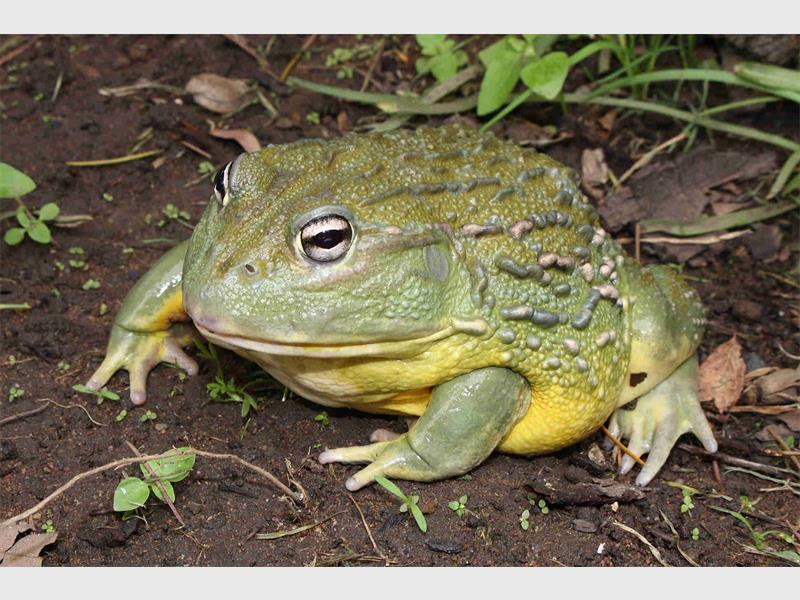
The discovery of the remains of frogs that were killed by illegal electricity connections on a plot in Honeydew has raised concerns about the critical endangerment of the amphibian species in urban areas.
A number of frogs were recently found dead on a piece of veld next to the live wires that had also injured a dog in the area.
Warren Schmidt, an experienced reptile and amphibian researcher told Northsider that pollution and habitat destruction are key contributors to frogs increasingly becoming a rare sight in urban areas. “South Africa has approximately 133 species of frogs with several species listed as either critically endangered or endangered. Frogs are becoming rare in many areas because of pollution, habitat destruction and draining of wetlands etc.,” he confirmed, classifying the giant bullfrog as the vulnerable species. “In Gauteng, giant bullfrogs have become increasingly rare due to urban development and increased traffic pressure on roads, causing them to be run over by cars,” Warren explained.

He added that although not much can be done to protect frogs, especially against live wires, he advised that illegal connection be reported. “Frogs have moist skins which are highly conductive if they pass over a live wire. Because illegal connections are not earthed or connected to an earth leakage switch, the wire will remain live and electrocute any animal or possibly a person walking barefoot. There is no way to protect frogs from the live wire. It is best to report illegal connections to the authorities, as they are not only dangerous to wildlife but people as well,” Warren encouraged.
He explained the essence of frogs in the environment. “Frogs are essential environmental indicators as they are susceptible to water pollution and chemicals. Therefore, if frogs die out, then we’ll know our environment and water quality are in serious trouble. Frogs eat thousands of insects and keep certain pests under control. They also form a very important part of the diet of many birds and snakes,” Warren further explained.
If you wish to learn more about frogs, you are welcome to attend one of the evening frog walks at the Kloofendal Nature Reserve during the summer months which Warren Warren conducts. He is currently registered with the University of KwaZulu-Natal where he is researching snake-population declines and snake conservation.
Do you perhaps have more information pertaining to this story? Email us at northsider@caxton.co.za (remember to include your contact details) or phone us on 011 955 1130.
For free daily local news on the West Rand, also visit our sister newspaper websites


