
Today in History: King Cetshwayo is captured and exiled
To this day, King Cetshwayo remains the last ruler of the free Zulu nation.
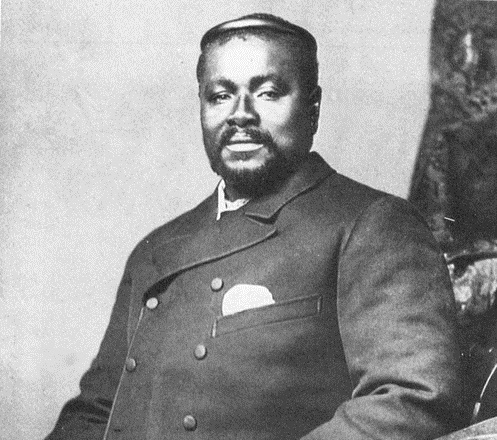
King Cetshwayo, the last great ruler of Zululand, was captured by the British following his defeat in the British-Zulu War on this day in 1879, and subsequently exiled.
In 1838, the Boers, migrating north to elude the new British dominion in the south, first came into armed conflict with the Zulus, who were under the rule of King Dingane at the time. The European migrants succeeded in overthrowing Dingane in 1840, replacing him with his son Mpande, who became a vassal of the new Boer republic of Natal.
In 1843, Britain succeeded the Boers as the rulers of Natal, which controlled Zululand, the neighbouring kingdom of the Zulu people.
In 1872, King Mpande died and was succeeded by his son Cetshwayo, who was determined to resist European domination in his territory. In December 1878, Cetshwayo rejected the British demand that he disband his troops, and in January of the following year, British forces invaded Zululand to suppress Cetshwayo.
The British suffered grave defeats at Isandlwana, where 1 300 British soldiers were killed or wounded, and at Hlobane Mountain, but in March the tide turned in favour of the British at the Battle of Khambula.
After months of conflict, King Cetshwayo was captured and sent into exile, but in 1883 he was reinstated to rule over part of his former territory. However, because of his defeats he was discredited in the eyes of his subjects, and they soon drove him out of Zululand. He died in exile during the next year.
In 1887, faced with continuing Zulu rebellions, the British formally annexed Zululand, and in 1897 it became a part of Natal, which joined the Union of South Africa in 1910.
Do you perhaps have more information pertaining to this story? Email us at northsider@caxton.co.za (remember to include your contact details) or phone us on 011 955 1130.
For free daily local news on the West Rand, also visit our sister newspaper websites


