
Today in History: Macbeth is slain by Malcolm
Contrary to popular belief following William Shakespeare's play, King Macbeth was not considered a tyrant.
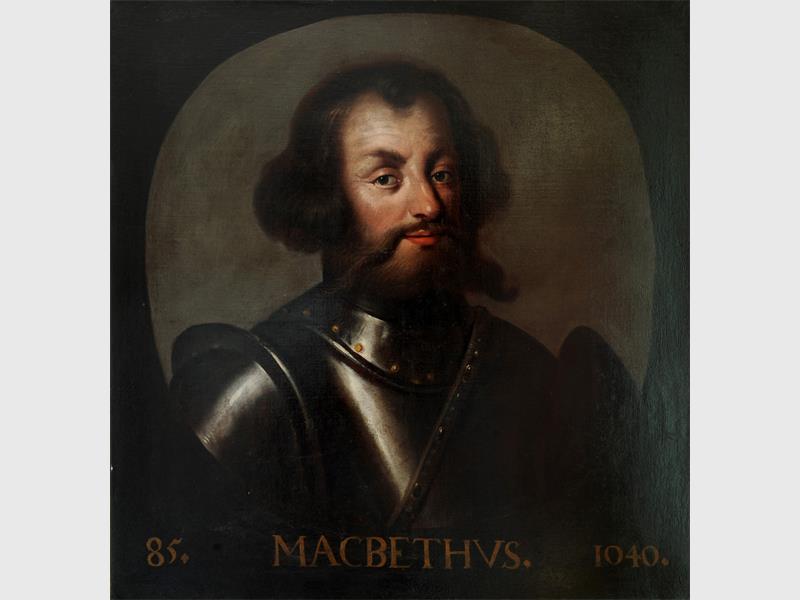
Contrary to William Shakespeare’s play Macbeth, King Macbeth of Scotland was murdered by Malcolm Canmore, and not Macduff.
Macbeth was a grandson of King Kenneth II and also had a claim to the throne through his wife, Gruoch, who was the granddaughter of Kenneth III – the Scottish king who had been overthrown by Duncan’s predecessor, King Malcolm II.
Under King Duncan, Macbeth was governor of the Scottish province of Moray and a trusted military commander. However, he opposed Duncan’s ties to the Saxons in the South, and rose in rebellion against him.
On 14 August 1040, Macbeth killed Duncan in a battle near Elgin, and was crowned king of Scotland in his place. In 1054, after 14 years of rule, King Macbeth suffered a major military defeat at the Battle of Dunsinane against Siward, the earl of Northumbria.
Siward was acting on behalf of Malcolm Canmore, Duncan’s son. Malcolm then gained control of the southern part of Scotland and spent the next three years pursuing Macbeth, who fled to the north.
On 15 August 1057, Macbeth was defeated and killed by Malcolm at the Battle of Lumphanan with the assistance of the English. Malcolm Canmore was crowned Malcolm III in 1058.
Macbeth’s full name in Medieval Gaelic was Mac Bethad mac Findlaích, which is realised as MacBheatha mac Fhionnlaigh in Modern Gaelic, and anglicised as Macbeth MacFinlay (also spelled Findlay, Findley, or Finley). The name Mac Bethad, from which the anglicised “MacBeth” is derived, means “son of life”.
Unlike later writers, no near contemporary source ever refers to Macbeth as a tyrant. The Duan Albanach, which survives in a form dating to the reign of Malcolm III, calls him “Mac Bethad the renowned”.
Do you perhaps have more information pertaining to this story? Email us at roodepoortrecord@caxton.co.za (remember to include your contact details) or phone us on 011 955 1130.
For free daily local news on the West Rand, also visit our sister newspaper websites
Remember to visit our Facebook, Twitter and Instagram pages to let your voice be heard!


