
Did you know that pricking someone’s fingertips can save a life?
If blood does not start to drip, then squeeze with your fingers.
Witnessing someone one having a stroke can be very frightening, but it would help the situation if you had an action plan.
A stroke is often described as a “brain attack.” Part of the brain is robbed of the oxygen and blood supply it needs to function, because a blood vessel to part of the brain either has a clot or bursts.
According to research, pricking the fingers and earlobes of a stroke victim with a needle to release blood can save the victim’s life and lead to a full and rapid recovery.
If you have an injection syringe in your home that would be the best tool to use.
Otherwise, a sewing needle or a straight pin will do.
– Place the needle/ pin over a flame to sterilise it and then use it to prick the tips of all 10 fingers.
– There are no specific acupuncture points, just prick about a millimetre from the fingernail.
– Prick till blood comes out.
– If blood does not start to drip, squeeze the finger with your fingers.
– When all 10 digits are bleeding, wait a few minutes. The victim should regain consciousness.
– If the victim’s mouth is has become crooked because of the stroke, pull on the patient’s ears until they are red.
– Then prick each earlobe twice until two drops of blood come from each earlobe.
After a few minutes the victim should regain consciousness.
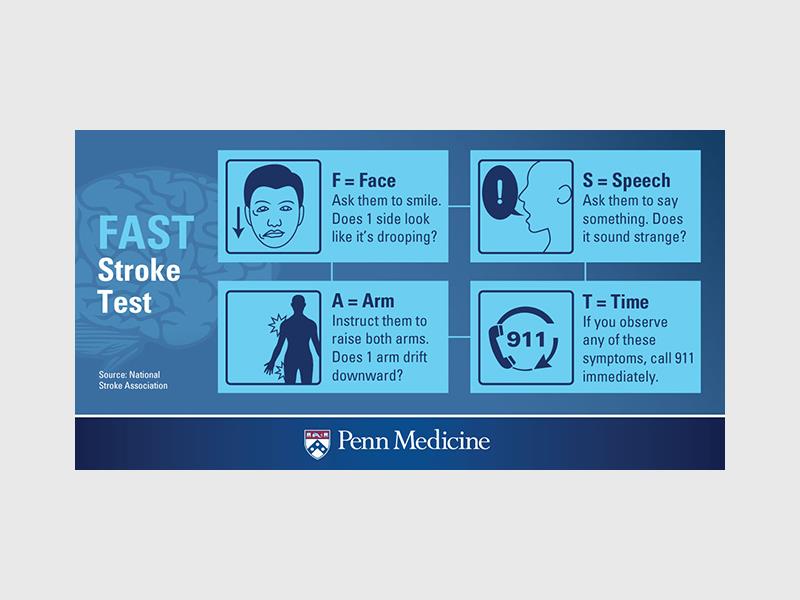
Not sure what the symptoms of a stroke are? Give someone you think is having a stroke a FAST test from the National Stroke Association:
– Does the patient’s face droop on one side?
– Does the patient have difficulty lifting one arm to its full height?
– Is the patient’s speech slurred, or does he/ she have difficulty with talking?
– Is the patient’s vision impaired in one or both eyes?
– Is the patient experiencing vertigo/ dizziness?
– Is the patient having difficulty walking?
What to do while you wait for the ambulance
– If the patient is conscious, lay him/ her down on his/ her side with the head slightly raised and supported.
– Do not give the patient anything to eat or drink.
– Loosen any restrictive clothing that could cause breathing difficulties.
– If weakness is obvious in any limb, support it and avoid pulling on it when moving the person.
– If the patient is unconscious, check his/ her breathing and pulse and turn him/ her onto his/ her side. If the patient does not have a pulse or is not breathing, start CPR straight away.
– If you are unsure how to perform CPR, the ambulance call taker will give you instructions over the phone.
Sources: https://www.pennmedicine.org, https://www.strokefoundation.org.au, https://www.healthawarenesscommunity.com and https://www.hoax-slayer.net
Do you perhaps have more information pertaining to this story? Email us at roodepoortrecord@caxton.co.za (remember to include your contact details) or phone us on 011 955 1130.
For free daily local news on the West Rand, also visit our sister newspaper websites
Remember to visit our Facebook, Twitter and Instagram pages to let your voice be heard!


