
Be on the right side of the law
Domestic workers must get paid a minimum of R1641 up to R2545
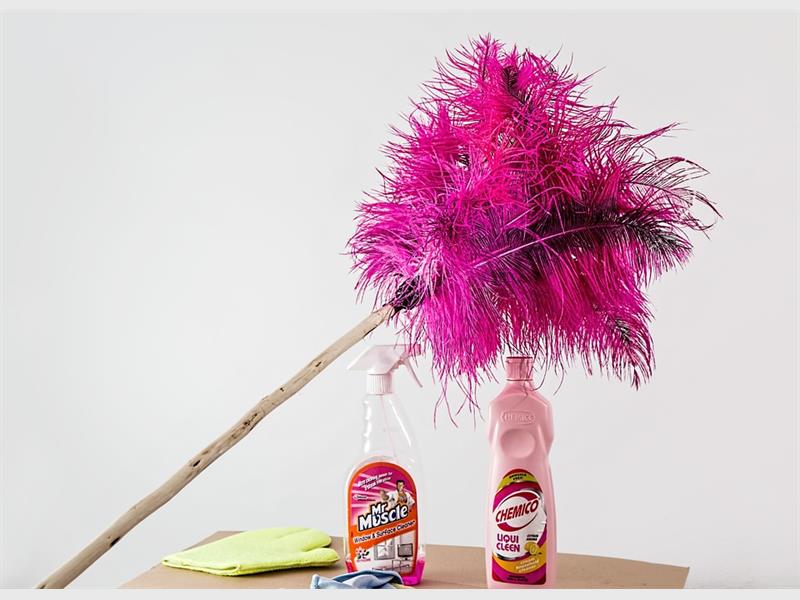
If you have a domestic worker in your house, then you should familiarise yourself with the laws applying to them.
According to the Unemployment Insurance Contributions Act 4 of 2002, a domestic worker is a gardener, cleaner, driver or person who looks after children, or the aged, sick, frail or disabled persons in a private household, but not on a farm.
If you employ anyone in any of these categories you should familiarise yourself with the Department of Labour’s Sectoral Determination for the Domestic Worker Sector. This legislation sets the minimum wages for domestics and specifies working conditions such as hours of work, overtime pay, salary increases, deductions, annual and sick leave.
Pay
According to the Sectoral Determination, domestic workers must be paid a minimum of between R1 641 and R2 545, depending on which area you live in and the hours they work. This is a five per cent increase on 2017’s rates.
Employers whose domestics live on the property may deduct 10 per cent of their salary for accommodation, providing the accommodation complies with the minimum standards laid down in the legislation.
Maternity leave
A domestic worker is entitled to up to four consecutive month’s maternity leave. The employer does not have to pay the employee for the period for which she is off work due to her pregnancy.
Sick leave
During every sick leave cycle of 36 months, a domestic worker is entitled to an amount of paid sick leave equal to the number of days the employee would normally work during a period of six weeks, i.e. up to 30 working days. However, during the first six months of employment, workers are only entitled to one day’s paid sick leave for every 26 days worked.
Employers may insist on proof of illness before paying a worker for sick leave.
Skills training
In 2018, a massive training project, the Domestic Workers Skills Development Project, was launched. Financed by the Department of Labour’s National Skills Fund to the tune of R120 million, the project aims to train 27 000 domestic workers around the country over the next three years. More information can be retrieved at https://www.serviceseta.org.za/.
Unionisation
The South African Domestic Service and Allied Workers’ Union (SADSAWU) is a union for domestic workers. You can find out more about SADSAWU at on their website, https://www.sadsawu.com.
It is important for domestic workers to know their rights, so that they are not mistreated, and it is also important that employers know the rights of their employees.
Do you perhaps have more information pertaining to this story? Email us at roodepoortrecord@caxton.co.za (remember to include your contact details) or phone us on 011 955 1130.
For free daily local news on the West Rand, also visit our sister newspaper websites
Remember to visit our Facebook, Twitter and Instagram pages to let your voice be heard!


