
Listeriosis – not just a human disease
Do not give recalled products to your dogs
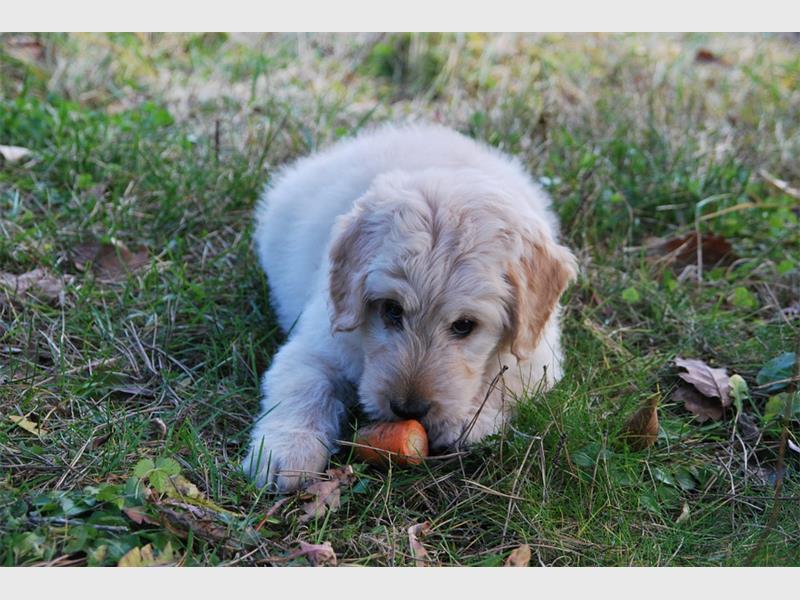
With the whole Listeriosis hysteria, and certain products believed to be responsible for the contamination being recalled, it is important to remember that animals can be infected too.
The SPCA is urging people not to dispose of the recalled products in the garbage, as they can be found and eaten by homeless people as well as stray dogs.
The recalled products should also not be fed to pets, as they can be infected with the disease in much the same way as humans. These products include infected meats, dairy products and contaminated dog food.
People are urged to rather return all recalled products to the stores where they were purchased, for a full refund.
Young puppies and older dogs are the most likely to contract Listeriosis, because of their weakened immune systems, and this risk is much higher if they are on a raw diet and eat table scraps, instead of regular dog kibble. Meats and dairy products are the main causes of Listeria in dogs.
While not all dogs who have been exposed to the bacteria will exhibit symptoms or become ill, those who do show symptoms will have varying degrees of illness and should always be thoroughly examined by a veterinarian. Symptoms include diarrhoea, nausea, vomiting, weakness, fever, muscle soreness, lethargy, stiff neck, lack of coordination and skin infections.
Depending on your dog’s immune system, the disease can be fatal if not treated quickly; that is why it is important to closely monitor your dog’s raw food intake, as well as recalls of their dog kibble.
To determine if your dog does have Listeriosis, your veterinarian will do a cursory examination and ask questions about its diet, exercise and changes in behaviour. Blood tests, as well as an analysis of cerebrospinal fluid can confirm if your dog does have the disease.
Treatment will vary, depending on the severity of the symptoms, and may vary from symptomatic treatment of nausea and diarrhea with gastrointestinal medicines and pain medication, to being admitted in hospital and treated with intravenous antibiotics.
Dogs usually make a full recovery, but the recovery time may vary. Those with milder infections will recover faster than those who displayed more severe symptoms.
The most important thing to remember is to follow your veterinarian’s treatment plan to the letter, to ensure your dog recovers fully and prevent a relapse.
Do you perhaps have more information pertaining to this story? Email us at roodepoortrecord@caxton.co.za (remember to include your contact details) or phone us on 011 955 1130.
For free daily local news on the West Rand, also visit our sister newspaper websites
Remember to visit our Facebook, Twitter and Instagram pages to let your voice be heard!


