
Grocery shopping: Can it be more affordable?
Five tips to save money on your grocery bill, according to debt management experts.
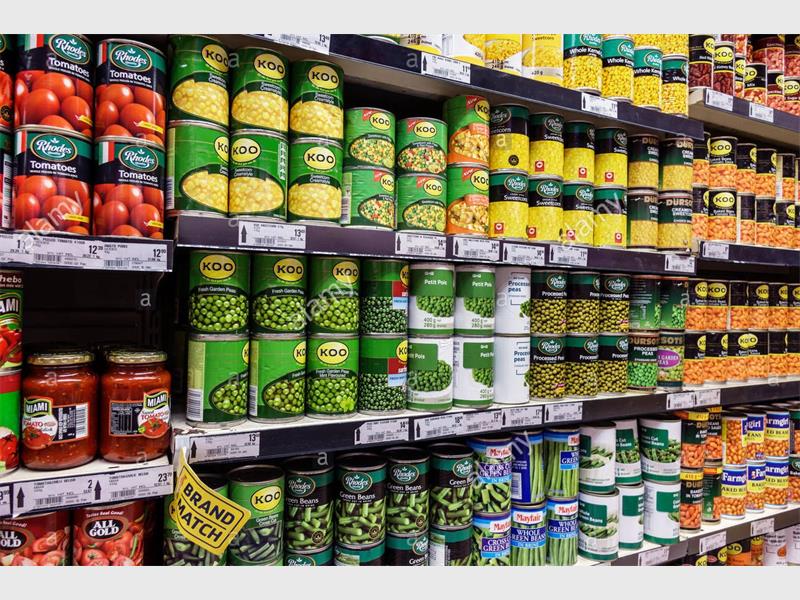
Debt management experts have urged consumers to beat the mid-month slump by exercising measures that ensure less spending on their monthly groceries.
According to Wikus Olivier, who specialises in consumer debt management, a structured system of spending, especially on items such as food, excursions and fun activities is one of the many ways to guarantee your money goes a long way.
Grocery shopping is a significant expense for most families in Roodepoort. In fact, figures released by Statistics South Africa (Stats SA) on poverty trends show that the poorest household spends about R8,485 a year or R707 a month on food. Wikus maintains that the lack of caution in one’s spending habits on household activities is the most significant yet ‘unnoticed’ contributor to debt. “Living expenses rise but people’s incomes stay the same. I’ve found that many people barely have any money left to save at the end of each month. These people often spend royally on their groceries. Maybe that is were we all should start. Let us structure a list or plan to control how we spend,” he said.

Fortunately, there are ways to make the grocery bill more affordable. Here are some useful tips:
1. Buy first, then meal plan:
Planning your meals is typically regarded as financially savvy. However, the truth is the products and ingredients that some meals require are expensive. When buying groceries, always buy the products and essentials you need first and thereafter, plan your meals. Write down items you can get on special and Google meal ideas to prepare with the items bought as bargains. It is very important to stick to a structured meal plan.
2. Match your prices and buy essential products in bulk:
Price-matching involves looking at advertisements from your local stores and supermarkets to compare prices. Advertisements enable shoppers to spot sales and find bargains. What many do not know is that supermarkets typically have resources that allow you to match prices on food brands. There are also cellphone apps designed to do this. It is easy, convenient and saves a lot of money. Always buy essential items such as maize meal, rice and non-perishable food in bulk.
3. Know the average cost
How will you know a good deal from a terrible one if you don’t know how much items normally cost? The more aware you become while you shop for groceries, the more familiar you will become with pricing.
4. Buy in season
Out of season produce is incredibly expensive. The price of mushrooms in spring is relatively cheap, compared to the price of mushrooms during winter. Buying different types of vegetable or fruits that are in season can help you save a great deal.
5. Save your plastic bags
Plastic bags can cost up to 60 cents per bag, depending on where you shop. Buying a reusable carrier or making a habit of keeping plastic bags to reuse at your next shop is not only good for recycling but also helps you save. For a more permanent solution, invest in a couple of shopping carriers.
Do you have any other money-saving ideas? Email your suggestions to cadet1@caxton.co.za.
Do you perhaps have more information pertaining to this story? Email us at roodepoortrecord@caxton.co.za (remember to include your contact details) or phone us on 011 955 1130.
For free daily local news on the West Rand, also visit our sister newspaper websites
Remember to visit our Facebook, Twitter and Instagram pages to let your voice be heard!


