
Increase in the number of malaria cases
The increased number of malaria cases is probably related to people travelling during the Easter holiday.
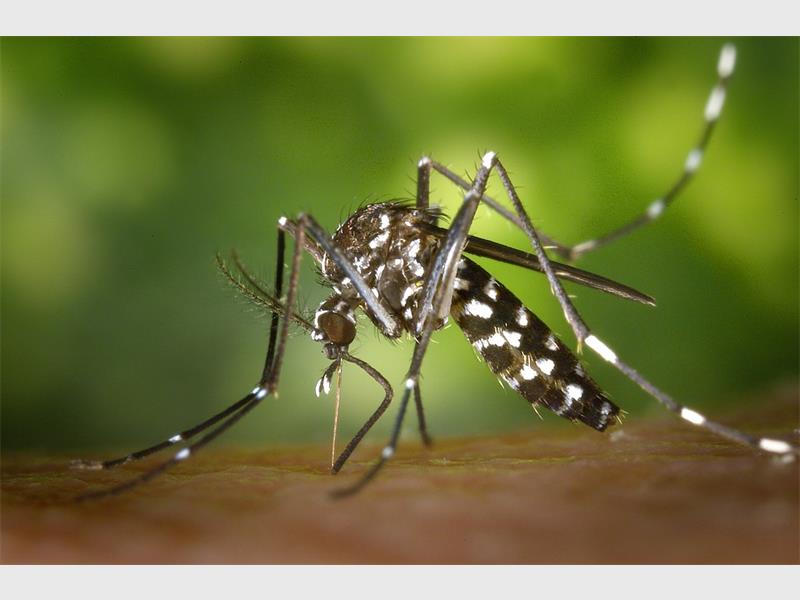
There has been an increase in the number of malaria cases over the past few weeks, said the National Centre for Disease Control.
This is probably related to people travelling to malaria risk areas, both within South Africa and in neighbouring countries during the Easter holiday. In particular, there has been an increase in the number of reported cases from the northern parts of the Kruger National Park and northern parts of Limpopo Province, including Mopani District. The rise in ambient temperature, and high rainfall and humidity experienced in the 2016/ 17 season in these areas provided good conditions for mosquito breeding, which led to the increased number of cases. However, the risk of malaria is expected to decrease as the weather cools.
Noting that the usual incubation period for malaria is 10 to 14 days, travellers from both low and high malaria risk areas who develop fever and flu-like symptoms should go to a healthcare facility or their doctor for a malaria test, even if chemoprophylaxis was taken. A negative malaria test does not always rule out malaria, and the test should be repeated if symptoms persist.
Any person with a travel history to either a low or high malaria risk area who presents with fever and flu-like symptoms is unlikely to have influenza at this time, since the 2017 influenza season has not yet started. Neighbouring countries have also seen a similar trend of rising cases due to similar weather patterns to those affecting South Africa. Notably, significant malaria transmission has been reported in Mozambique, Zambia, Zimbabwe, Malawi, and parts of Botswana and Namibia. However, no increase in malaria cases was reported in Swaziland.
Travellers to malaria transmission areas are advised to consult their doctors for a risk assessment and to get advice on the necessary precautions and appropriate chemoprophylaxis. All travellers, whether travelling to low or high risk areas, are advised to be aware of the typical malaria symptoms of fever, chills, sweats, headaches, nausea and vomiting, body aches, general malaise and yellow discolouration of the eyes and skin, and to report to their nearest health facility or doctor if they suspect that they may have contracted malaria.
Do you perhaps have more information pertaining to this story? Email us at roodepoortrecord@caxton.co.za (remember to include your contact details) or phone us on 011 955 1130.
For free daily local news on the West Rand, also visit our sister newspaper websites
Remember to visit our Facebook, Twitter and Instagram pages to let your voice be heard!


