
Take weather warnings seriously
Residents urged to be safe and take weather warnings seriously
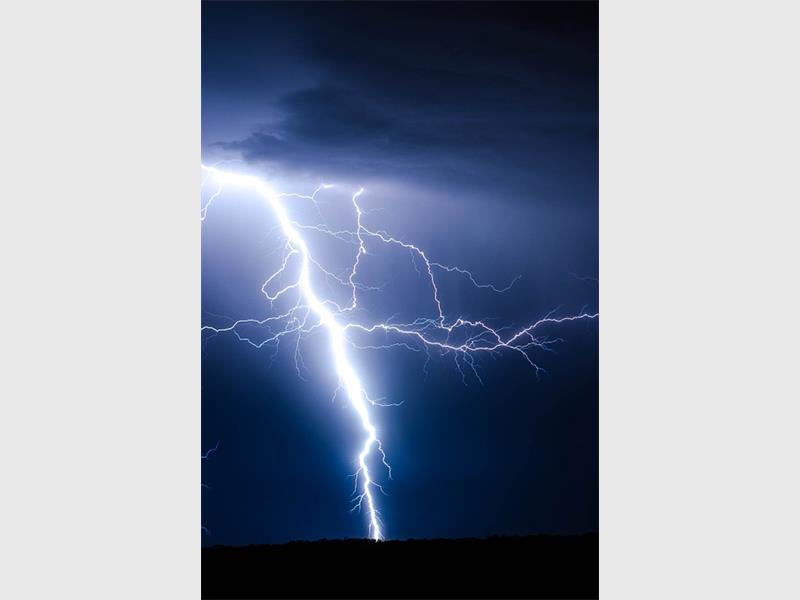
The South African Weather Services (SAWS) has issued another alert for the possibility of severe thunderstorms and hail throughout the City of Johannesburg.
Robert Mulaudzi, spokesperson for the City of Johannesburg’s Emergency Management Services (EMS) is urging residents to take warning messages of possible thunderstorms very seriously, even if they are only alerts.
It is a known fact that thunderstorm season is officially here and residents should keep themselves updated on weather conditions by listening to the radio, watching television, reading newspapers and following the City of Johannesburg and EMS on social media. Their Twitter handles are @CityofJoburg and @CityofJoburgEMS.
Following the recent incidents, in which a number of roads were flooded, vehicles swept away and houses damaged by strong winds, both residents and motorists are called upon to make sure they take the necessary safety precautions to avoid becoming a statistic. This is especially true for those living in low-lying areas, such as informal settlements. These residents should monitor the water levels constantly and where there is a need to do so, they should move to higher ground.
Residents are urged to be better prepared, as another alert has been received from the SAWS of the possibility of severe thunderstorms and hail going into the weekend.
⚠️ALERT: The SA Weather Service has issued a watch for severe T-storms in GP today. Large HAIL, damaging winds & heavy rain possible. ^NS
— City of Joburg (@CityofJoburgZA) November 24, 2016
“We will remain on high alert, monitoring all our low-lying areas throughout the weekend to make sure that we can respond to any emergency which might occur as quickly as possible,” said Mulaudzi.
EMS has offered the following guidelines to reduce the dangers of flooding in your area:
– Do not build your house in high-risk areas, such as near riverbeds.
– The bylaws and rules of your local municipality should be adhered to. Stay away from land prohibited by the municipality.
– Become involved as a community disaster risk management volunteer. You can contact your local Be Safe Centre to find out what the process of becoming part of a Community Emergency Response Team (Cert) in your area entails.
– Blocked drains cause flooding. Make sure your drains are cleaned on a regular basis and that they are not blocked by debris.
– Don’t ever attempt to cross flooded rivers, roads or streams.
– Water levels should be monitored if you live in a low-lying area. When the level rises, you should move to higher ground immediately.
– To stay updated with emergency information, listen to the radio or watch television continuously. Should the need to evacuate your area arise, be ready to do so.
Also Read:
Can the City handle extreme weather conditions?
Six day forecast: Thunder storms ahead


