
Life’s no fun without a good scare
The origins of Halloween in Europe and its spread across the United States and the world.
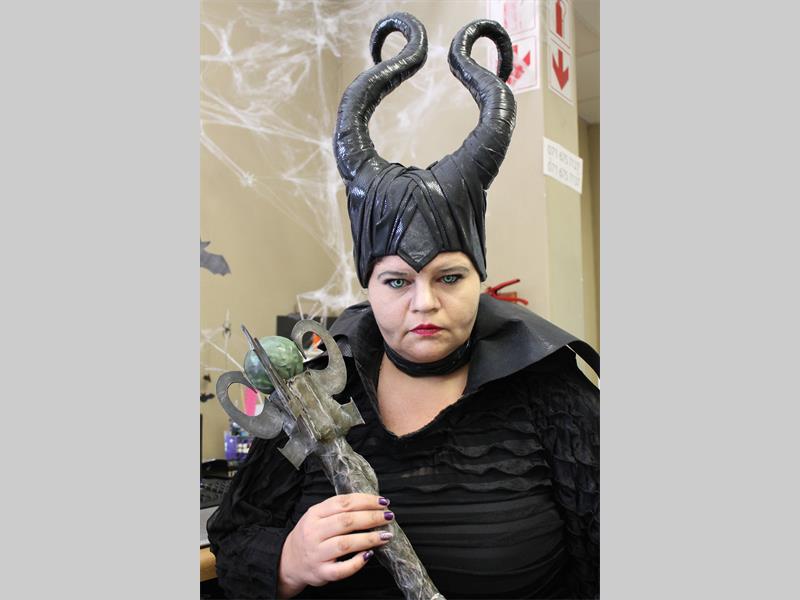
This is Halloween, everybody makes a scene – but where did it all begin?
Research suggests that it is a combination of two European festivals that started around 200 years ago; the Celtic festival of Samhain and the German Walpurgisnacht (Walpurga’s Night).
Samhain signified the end of summer and was held in celebration of two separate ideas; on the one hand the Celts celebrated the end of the harvesting season and on the other to honour the dead. The Celts believed that spirits roam the streets at night and that not all spirits are friendly, therefore they wore costumes either not to be noticed by the spirits or to ward them off. Often people put out treats to appease the spirits, which led to trick-or-treating as it is known today.
It always was held on 31 October and later influenced what was referred to as All Hallow’s Eve (also on 31 October) and All Saints’ Day (1 November).
On All Hallow’s Eve, Europeans with different rituals celebrated the dead and on All Saints’ Day Catholics honoured saints and celebrated the day by working to convert pagans to Catholicism.
Walpurgisnacht got its name from the Germans but still is celebrated today across Europe in countries such as Germany, the Netherlands, Czech Republic, Sweden, Lithuania, Latvia, Finland and Estonia. This festival mainly was held on 30 April in celebration of the coming of May. It is believed that witches gather at the highest point of the Harz Mountains, Brocken, in Northern Germany on the night of 30 April. During this time Germans celebrated with large bonfires, which later were incorporated into Easter celebrations (‘Osterfeuer’). Youth plays pranks on the night, which is but one of the influences of this holiday on modern Halloween (trick-or-treating).
Both Samhain and Walpurgisnacht largely influenced modern-day Halloween celebrated on 31 October. In the United States, Walpurgisnacht was appropriated by LaVeyan Satanists for October celebrations. It is also largely celebrated in connection with the anniversary of the founding of the Church of Satan.
It is not a holiday largely celebrated in South Africa where most people of the Christian faith reject it for its dark influences.
Sources:
• www.huffingtonpost.com
• paganwiccan.about.com
• www.cbn.com
• www.halloween-website.com
• www.jw.org


