
NSPCA: How to raise your children
Six animal-friendly activities to keep your children occupied this school holiday.
While the end of a school term or impromptu public holiday may feel like bliss to your children, the idea of long boring days, kids running amok, and spending too much time playing video games may not feel so blissful to the parent.
Home for the holidays? Don’t fret, but plan ahead to include activities that teach a sense of responsibility.
“Children have a natural affinity for animals, but entertainment that focuses around restricting the natural behaviours or movement of the animal or where the animal behaves in a way that it wouldn’t naturally, such as animal circuses, petting farms, and most zoos, fosters an irresponsible behaviour towards animals,” says Marcelle Meredith, the Executive Director of National Council of SPCAs (NSPCA).
The NSPCA states that these types of facilities add no constructive education value to the public and little conservation value for the animals.
It is the view of the NSPCA that by viewing wild animals in captivity, children and adults are taught that it is acceptable to cage and tame wild animals, and that their welfare is not as important as people’s entertainment.
“Remember that after you’ve gone home, the animal remains in that cage for the rest of its life.”
“Weekends and public holidays offer a great opportunity to instil positive, lifelong values in your children, outside of the classroom without their realising it,” says Ainsley Hay, Manager of the Wildlife Unit of the NSPCA.
To foster healthy growth and respect for animals, the NSPCA recommends the following activities to occupy your children this holiday:
1. Support a local wildlife reserve where wild animals are left in the wild or a bona fide sanctuary that provides a safe haven and refuge for wild animals that were saved from the captive wildlife industry. It is very important that these sanctuaries neither compromise the animals’ welfare, allow any breeding of animals, nor any human-animal interaction. The animals should be able to live as natural a life as possible, without being subjected to the stressors of close human contact or being ridden or forced to perform.
2. Visit one of our pristine National Parks or open spaces, such as Table Mountain in the Western Cape, Garden Route National Park in the Eastern Cape, or the Cradle of Humankind in Gauteng. Look carefully and see how many animals, birds and insects you and your child can discover. These adventures can occur in your garden as we are blessed with an abundance of urban wildlife.
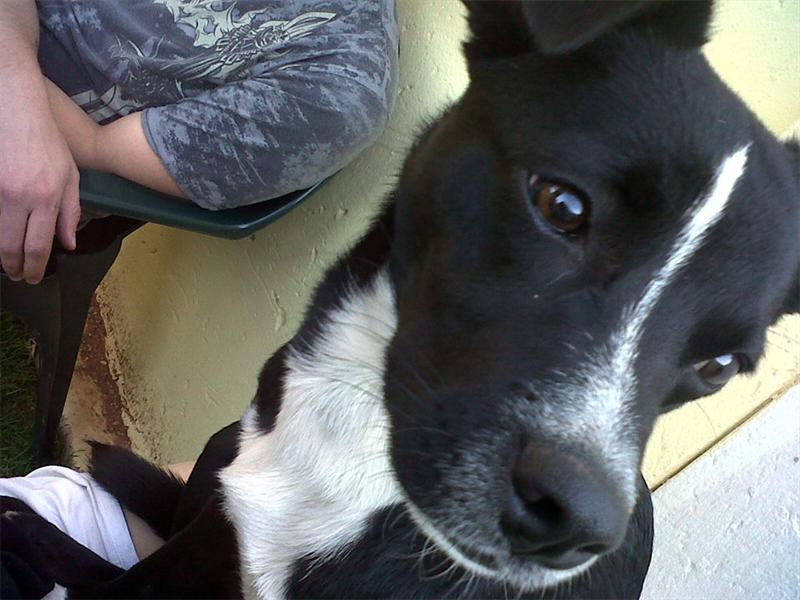
3. Don’t forget your fur babies. Take your own (or a neighbour’s) dogs for a walk, hike, or a trip to the park. Not only will your four-pawed friend thank you, but you will help to instil responsibility and a caring attitude in your child towards animals that will last a lifetime.
4. Children love to learn and are like little sponges – plan a trip to the library to find large books with colourful photos. Take this time to sit with your children and answer their questions, explain why animals are suited to different habits and why it is important that they remain in the wild.
5. Consider taking your older children to volunteer at your nearest SPCA. For children who are at least 13 years old, this can be the most rewarding and educational ongoing experience. Each SPCA is autonomous, so please check with your branch on their requirements first; but once a parent/guardian signs an indemnity form, your child most likely will groom the dogs and cats and play with the puppies. Depending on how busy the branch is, your child may be able to volunteer once a month or once a week. As your children gain experience and confidence they may be able to take on more responsibilities.
6. Encourage your child to collect blankets, newspapers, as well as dog and cat food that can be dropped off at your nearest SPCA.
Take the opportunity to foster your child’s love and respect for animals; and reinforce these values through your own actions. This will help your child develop social values that last a lifetime and have the potential to raise generations of positive, productive and altruistic individuals.


